The type and quality of stones you place in your sauna heater directly determine how evenly heat distributes, how long warmth is retained, and how comfortable your steam feels. Poor stone choices lead to weak steam, uneven temperatures, and shorter sessions. Quality saunas deserve quality stones that optimize every minute you spend inside.
Why the Right Stones Matter for Your Sauna
Sauna stones are not decorative. They function as the thermal mass that stores heat from your electric or wood-burning heater and releases it gradually into the air. When water hits the stones during löyly (the Finnish practice of ladling water onto hot rocks), the surface area and mineral composition determine whether you get a soft, enveloping steam or a harsh, inconsistent burst.
Stones with poor heat retention cool quickly after water application, forcing your heater to work harder and creating temperature swings that disrupt relaxation. The right stones maintain stable temperatures between water pours and produce the smooth, breathing steam that defines an authentic sauna experience.
Heat Retention and Stone Composition
Igneous rocks formed under high pressure and temperature offer the best performance. Peridotite, olivine, and vulcanite rank among the top choices because their dense crystalline structure traps and holds heat efficiently. These stones withstand repeated heating cycles above 400 degrees Fahrenheit without cracking or releasing harmful dust.
Sedimentary rocks like sandstone or limestone fail quickly in sauna environments. They fracture under thermal stress, crumble into fine particles that clog heater elements, and may release unpleasant odors when heated. Always verify that replacement stones are specifically rated for sauna use and meet safety standards for high-temperature applications.
Stone Size and Surface Area Balance
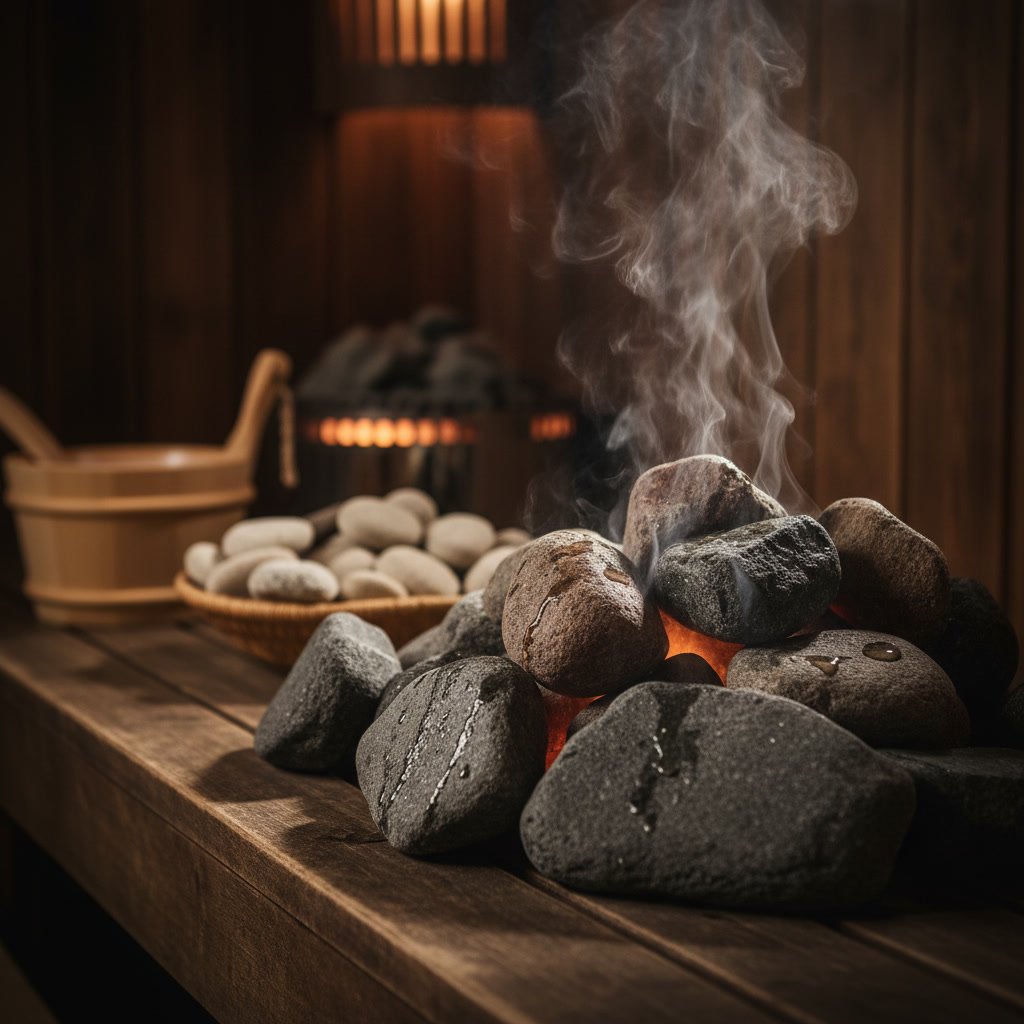
Most sauna heaters require stones between two and six inches in diameter. Smaller stones increase total surface area, which helps produce more steam per water ladle, but they also allow heat to escape faster. Larger stones retain warmth longer but offer less contact area for water to flash into steam.
The best approach layers both sizes. Place larger stones at the bottom near the heating elements where sustained heat is critical, then fill the upper portion with medium and smaller stones that maximize steam generation. This gradient creates a balanced system where sauna stones heat efficiently and deliver consistent performance throughout your session.
How Stone Placement Affects Airflow and Temperature
Proper stacking allows air to circulate between stones so heat reaches every surface. Packing stones too tightly blocks airflow, creates cold spots, and strains your heater by restricting ventilation. Leave gaps of roughly half an inch between larger stones and quarter-inch spaces around smaller ones.
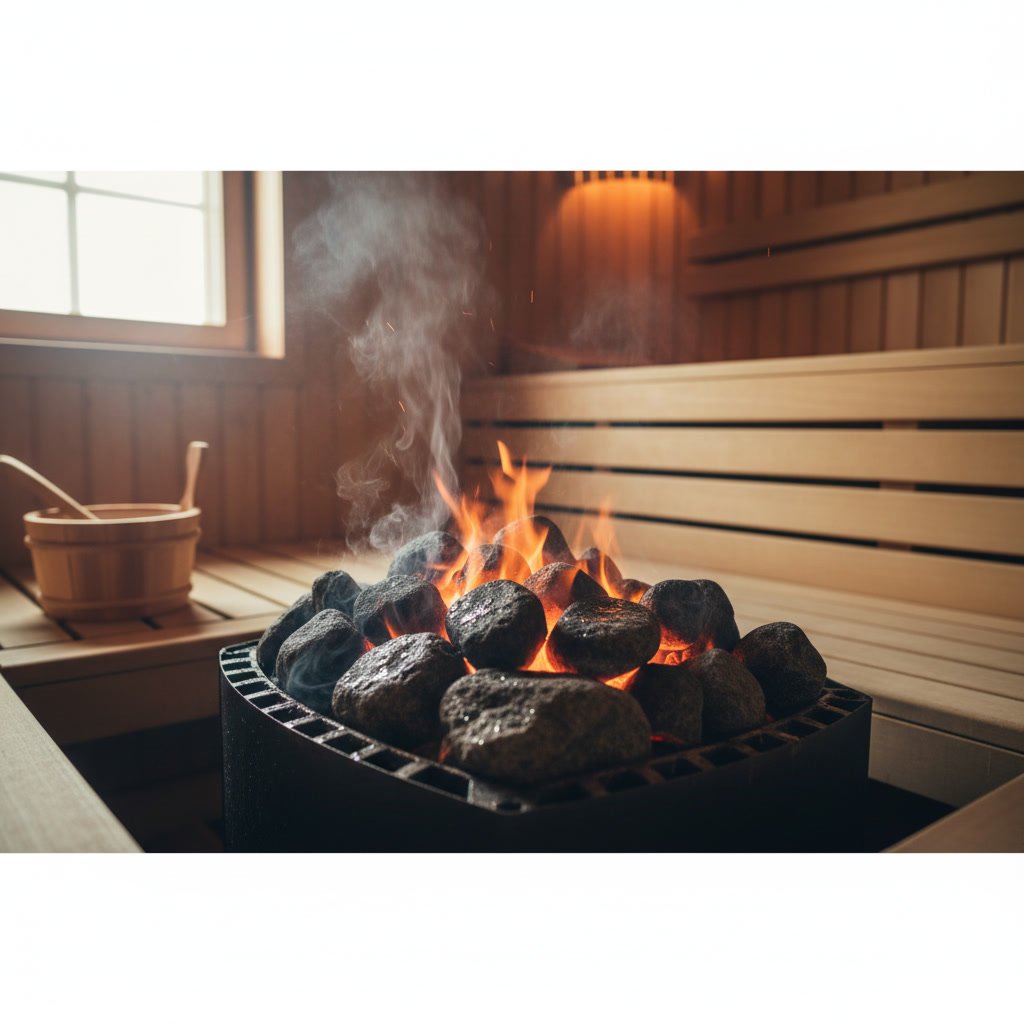
Avoid placing stones directly on heating elements. Most electric heaters include a support grid or cage that holds stones above the coils, allowing hot air to rise through the gaps. If stones rest flat against elements, they insulate rather than radiate heat, reducing efficiency and shortening element lifespan. Understanding how saunas work at a mechanical level helps you optimize stone placement for better results.
Steam Quality Differences Across Stone Types
Olivine and peridotite produce what experienced sauna users describe as soft or silky steam. The mineral content and porosity create fine water vapor that feels gentle on skin and lungs. Vulcanite generates slightly drier steam with sharper heat, preferred by those who enjoy a more intense session.
Granite, though durable, tends to produce heavier steam that some find less comfortable. Soapstone offers excellent heat retention but requires careful sourcing to avoid varieties that powder or flake under thermal cycling. If you are deciding between sauna styles, the article on traditional versus infrared saunas provides context on how heat delivery differs across systems.
Professional Sauna Installation Services in San Jose
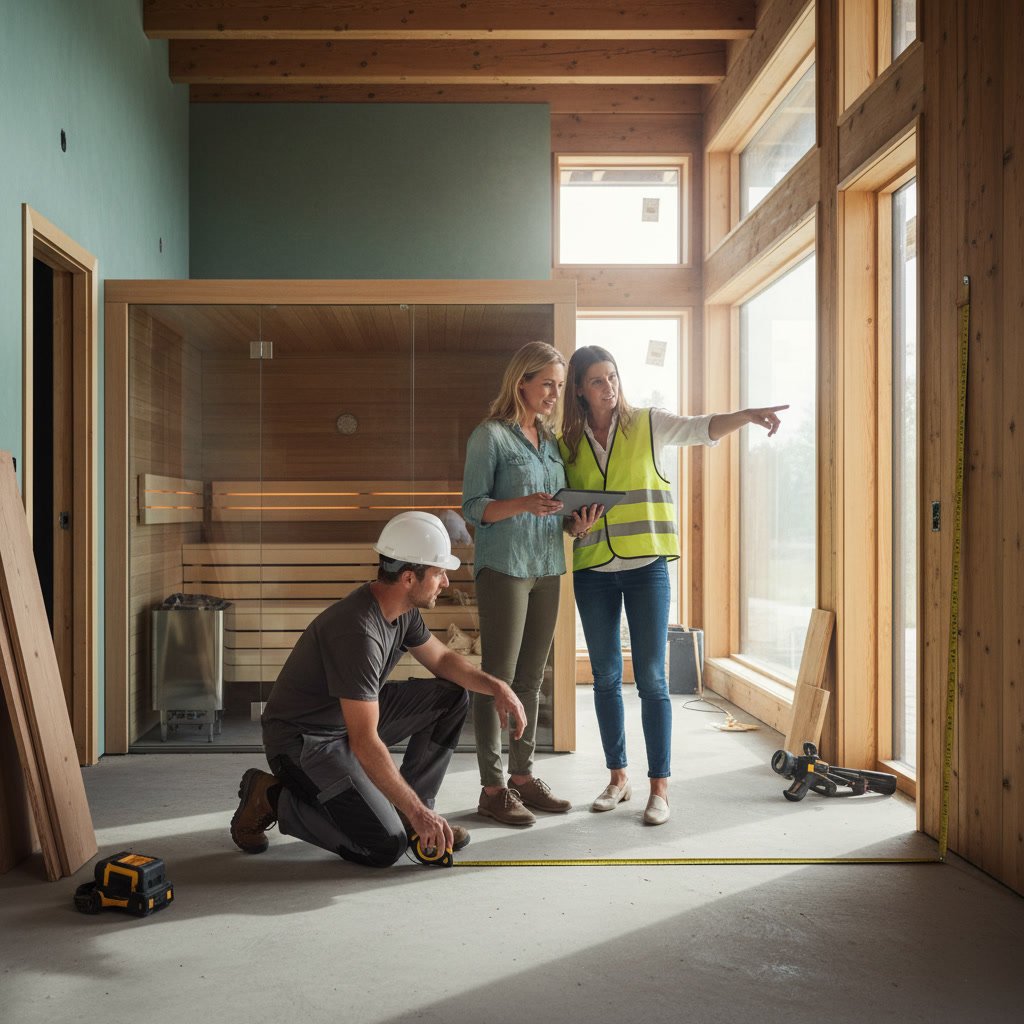
Installing a sauna correctly from the start ensures your stones perform as designed. Heater sizing, ventilation paths, and electrical capacity all influence how effectively stones absorb and radiate warmth. Outdoor Kitchen & Saunas works with homeowners throughout the Bay Area to design and install sauna systems matched to space, usage patterns, and performance expectations.
Proper installation also accounts for regional factors like ambient humidity and elevation, which affect heating times and steam behavior. A professional assessment identifies the right heater capacity and stone load for your specific environment, preventing the common mistake of undersized systems that never reach optimal temperature.
Maintenance Schedule to Preserve Heat Performance
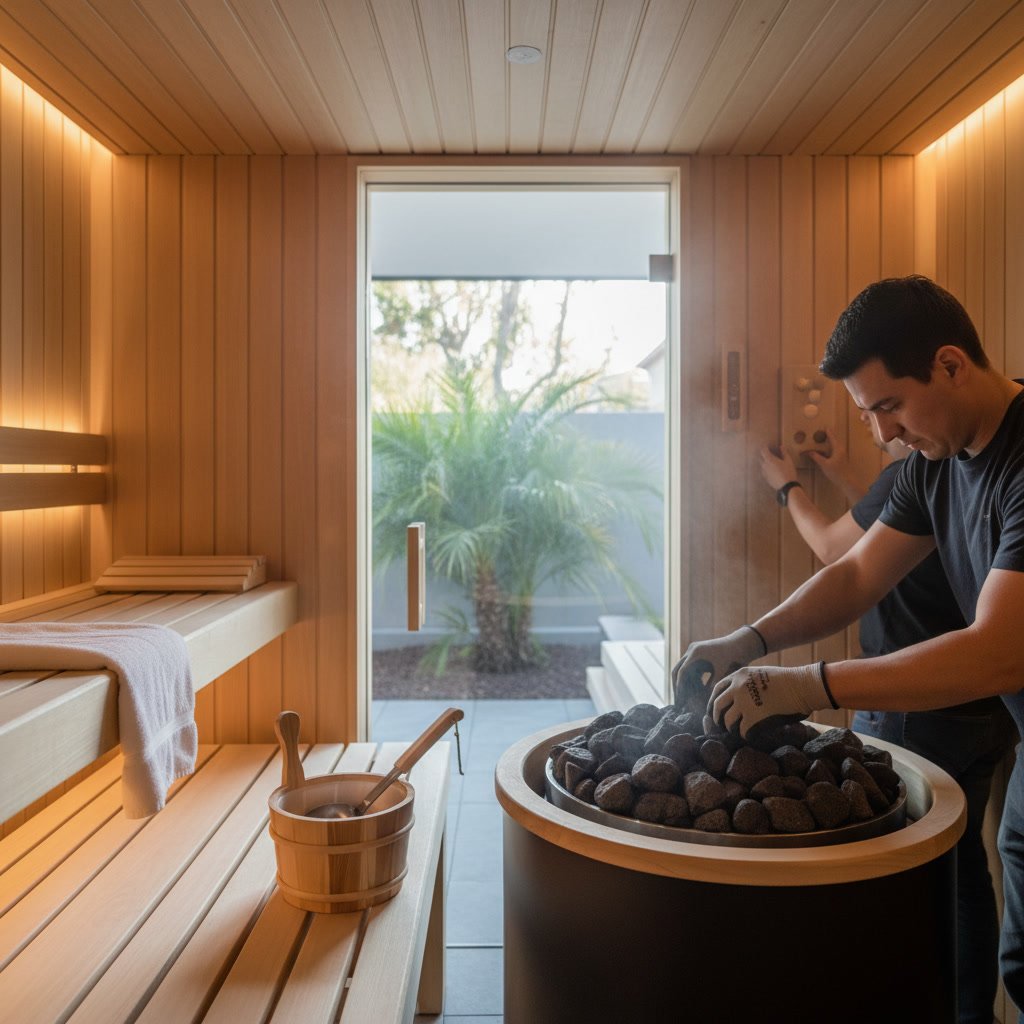
Inspect stones every three months during regular use. Look for cracks, sharp edges, or powdery residue that signals deterioration. Remove and replace any damaged stones immediately, because broken pieces restrict airflow and can damage heater elements.
Rearrange the stone pile every six months. Stones at the bottom endure higher temperatures and degrade faster, while upper stones receive less direct heat. Rotating positions extends the useful life of your entire stone set and maintains even heat distribution.
Rinse stones annually with plain water to remove mineral deposits and body oils that accumulate from steam. Avoid soaps or chemicals, which leave residues that vaporize during heating and create unpleasant odors. Let stones dry completely before returning them to the heater.
When to Replace Your Sauna Stones
Most quality stone sets last 18 to 36 months under normal residential use. Commercial saunas with daily sessions may need replacement every 12 months. Signs that replacement is overdue include longer heating times, weak or inconsistent steam, and visible crumbling or discoloration.
If you notice a sulfur or chemical smell when pouring water, stones are likely releasing trapped contaminants and should be replaced immediately. Continuing to use degraded stones reduces session quality and can pose health risks from inhaled particles.
When installing new stones, follow the break-in process outlined in the guide on preparing your new sauna for first use. This initial conditioning step removes manufacturing dust and allows stones to stabilize thermally before full-intensity sessions.
Comparing Three Common Sauna Stone Options
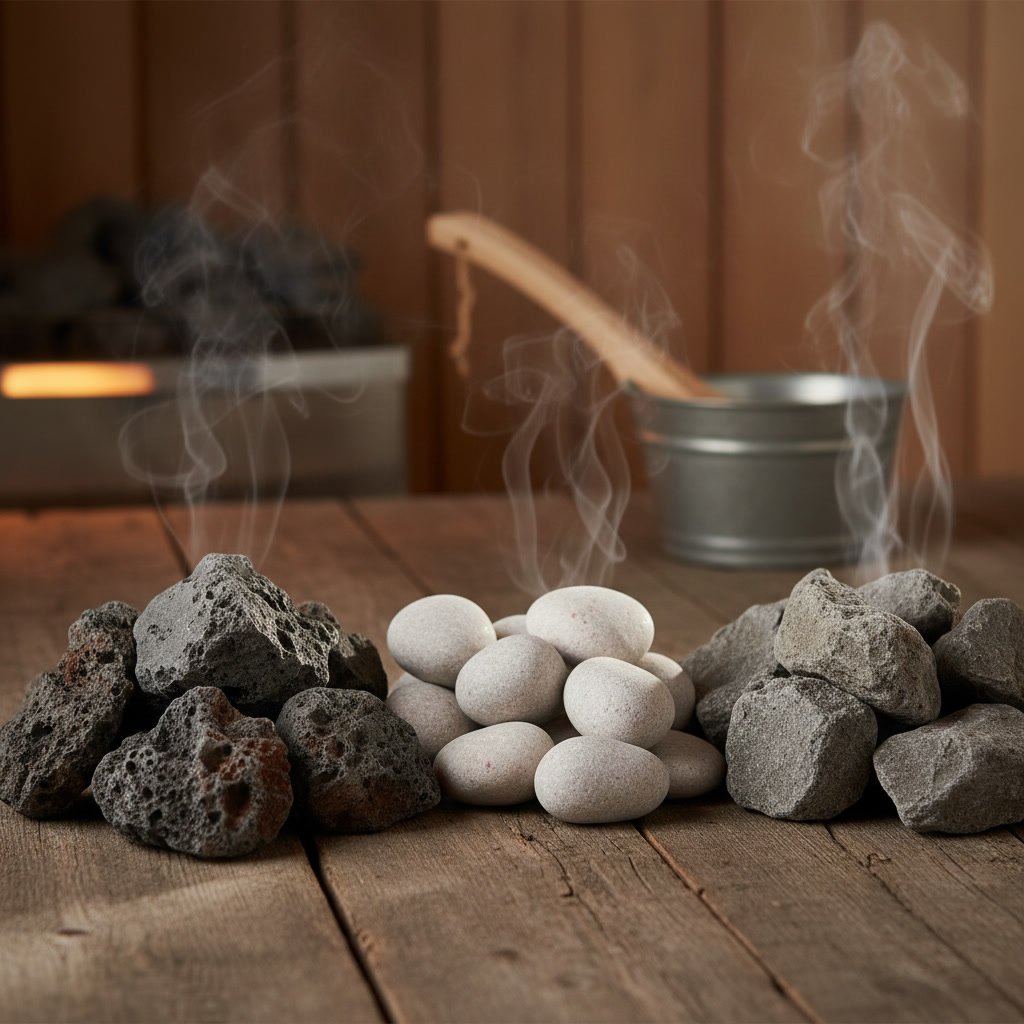
Olivine: Offers the highest heat retention per pound and produces exceptionally smooth steam. Costs more than other options but lasts longer and delivers superior comfort. Ideal for users who prioritize session quality and are willing to invest in premium materials.
Vulcanite: Provides excellent durability at a moderate price point. Generates slightly drier, more intense heat compared to olivine. A practical choice for families or users who enjoy varied session styles and want reliable performance without premium cost.
Peridotite: Balances cost, longevity, and steam quality. Widely available and performs well across different heater types. Suitable for most residential installations where balanced performance matters more than specialized steam characteristics.
How Humidity Levels Interact with Stone Performance
Stone surface temperature and ambient humidity together determine steam volume and texture. In dry climates, stones need slightly higher temperatures to produce satisfying steam, while humid regions achieve the same effect at lower settings. Adjusting water volume per ladle also fine-tunes the experience.
Pouring small amounts frequently creates gentle, sustained steam. Larger pours generate intense bursts that raise perceived temperature quickly but dissipate faster. Experimenting with pour timing and volume helps you discover the combination that matches your comfort preference. The relationship between humidity levels and sauna experience offers deeper insight into optimizing conditions.
Selecting Stones That Match Your Sauna Goals
Your ideal stone choice depends on session frequency, preferred heat intensity, and budget. Regular users benefit from investing in premium olivine or peridotite that delivers consistent performance over years. Occasional users may find mid-grade vulcanite offers sufficient quality at lower cost.
Consider total stone weight capacity when upgrading. Heaters specify maximum loads, and exceeding that limit restricts airflow and strains elements. If you want more thermal mass than your current heater supports, upgrading the heater itself may deliver better results than simply adding more stones.
Outdoor Kitchen & Saunas helps Bay Area residents match stone types and heater systems to their specific goals, ensuring every component works together for optimal comfort and efficiency. Whether you are building a new outdoor living space or upgrading an existing sauna, professional guidance prevents costly mismatches and disappointing performance.
Quality stones transform your sauna from a basic heat box into a space that delivers authentic, restorative sessions. Choosing the right type, maintaining proper placement, and following a simple care routine ensure your investment performs beautifully for years. If you are ready to build or upgrade your sauna with components that deliver real results, the team at Outdoor Kitchen & Saunas is here to help you design a system tailored to your home and lifestyle. Call 408-256-0805 to schedule a consultation and explore the sauna options available for your Bay Area property.