The relationship between sauna dimensions and heating performance determines both your energy costs and comfort level. Understanding how sauna size heating efficiency impacts your experience helps you choose a unit that heats quickly, maintains temperature effortlessly, and delivers the health benefits you expect. Smaller saunas heat faster and use less energy, while larger units require more powerful heaters and longer warm-up periods, but both can perform beautifully when properly matched to the right equipment and design.
Why Dimensions Matter More Than You Think
Most homeowners focus on aesthetics and capacity when selecting a sauna, but dimensions directly control how much energy you’ll consume and how comfortable your sessions will be. A sauna that’s too large for its heater will struggle to reach therapeutic temperatures. A sauna that’s too small can feel cramped and overheat uncomfortably fast. The goal is finding the sweet spot where your space, budget, and wellness goals align with proper heating capacity.
The Science Behind Heat Distribution in Enclosed Spaces
Heat rises, so ceiling height plays a critical role in how efficiently warmth circulates. In a standard sauna with an eight-foot ceiling, the top bench may be 15 to 20 degrees hotter than the lower seating area. Lower ceilings concentrate heat at bench level, improving efficiency and comfort. Higher ceilings create dramatic temperature gradients that waste energy heating unused air above your head. Cubic footage, not just floor space, determines how hard your heater must work.

Small Saunas Heat Fast and Cost Less to Run
A two-person sauna measuring four feet by four feet with a seven-foot ceiling contains roughly 112 cubic feet of air. A properly sized electric heater can bring this space to 160 degrees in 20 to 30 minutes. Monthly electricity costs typically run between 15 and 25 dollars for regular use. Compare that to a six-person unit with 300 cubic feet of space, which may take 45 minutes or longer to reach temperature and double your energy bill. Compact designs shine for solo users or couples who value quick heat-up and lower operating costs.
Larger Saunas Demand More Power and Planning
When you need space for four or more people, expect to install a heater rated at one kilowatt per 50 cubic feet of interior volume. A 200-cubic-foot sauna requires a four-kilowatt heater minimum. Undersizing the heater leads to frustratingly long preheat times and difficulty maintaining temperature when the door opens. Electrical service becomes a factor too. Larger heaters often need 240-volt circuits and dedicated breakers. Always verify your home’s electrical capacity before committing to a large sauna design.
Ceiling Height and Bench Placement in San Jose Homes
Bay Area homes vary widely in available space, but most residential saunas fit best with seven-foot ceilings. This height allows comfortable head clearance on the upper bench while keeping heat concentrated where you sit. If your installation site has a nine or ten-foot ceiling, consider a dropped ceiling or false soffit to reduce wasted volume. Bench height matters just as much. The top bench should sit 36 to 40 inches above the floor to place bathers in the optimal heat zone without excessive distance from the heater.
Four Key Dimensions That Control Efficiency
Understanding these measurements helps you evaluate any sauna design before you buy:
- Floor area: Determines capacity and minimum heater size. A 30-square-foot floor supports two people comfortably.
- Ceiling height: Controls heat stratification. Lower is more efficient. Seven feet is ideal for most residential installs.
- Total cubic footage: The true measure of heating demand. Calculate length times width times height to find your heater requirements.
- Door size and seal quality: A poorly sealed door or oversized entrance wastes more heat than any other design flaw. Standard 24-inch-wide doors with magnetic weatherstripping work best.

Insulation and Construction Quality Change Everything
Even perfectly sized heaters underperform in poorly insulated saunas. Quality construction uses two to three inches of foil-faced insulation in walls and ceilings, with no gaps around windows or vents. Thicker wood benches and walls store more heat, stabilizing temperature and reducing energy waste. Cheaper kits with thin walls and minimal insulation force your heater to run continuously, driving up costs and shortening equipment life. When comparing models, ask about R-values and wall thickness, not just dimensions.
Matching Heater Output to Your Space
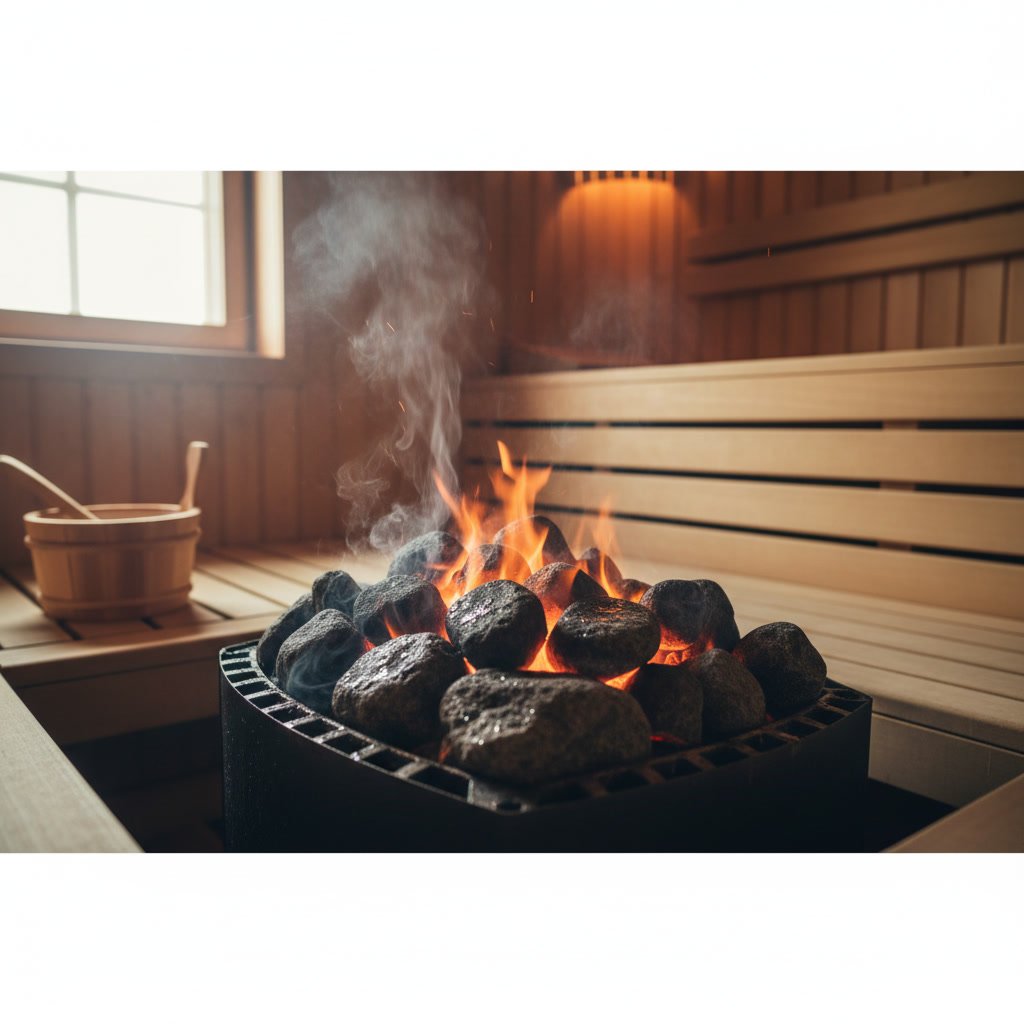
Electric heaters dominate residential installations because they’re clean, reliable, and easy to control. Wood-fired and infrared units follow different sizing rules, but electric models use a simple formula. Divide your sauna’s cubic footage by 50, then round up to the nearest kilowatt rating. A 150-cubic-foot sauna needs a three-kilowatt heater. If your sauna has large glass doors, poor insulation, or a location in an unheated garage, add 20 percent to your heater size to compensate for extra heat loss. For more background on how different systems operate, read our guide on how saunas work and what happens during a typical session.
Design Choices That Improve Comfort Without Sacrificing Efficiency
You don’t have to choose between a spacious sauna and low energy bills. L-shaped bench layouts maximize seating in compact footprints. Corner installations use existing walls as two insulated sides, reducing construction costs and heat loss. Transom windows above the door add natural light without the thermal penalty of full-size glass panels. Ventilation vents placed low on the intake side and high on the exhaust side improve air circulation without excessive heat escape. These details separate mediocre saunas from exceptional ones.
Traditional vs Infrared Sizing Considerations
Infrared saunas operate at lower temperatures and don’t heat the air, so cubic footage matters less than in traditional designs. Panel placement and distance from your body control effectiveness. A four-person infrared sauna may use half the energy of a similarly sized traditional unit but delivers a different experience. If you’re weighing these options, our comparison of traditional sauna vs infrared sauna covers the efficiency and comfort trade-offs in detail.

Getting the Right Fit for Your Bay Area Home
Choosing sauna dimensions involves more than measuring available space. Consider how many people will use it simultaneously, how often you’ll run it, and whether you prioritize quick heat-up or spacious comfort. A well-designed sauna heats evenly, reaches temperature in under 40 minutes, and costs less than 30 dollars monthly to operate. Oversized units waste energy. Undersized units feel cramped. Professional consultation ensures your investment delivers years of reliable performance without surprise costs or comfort compromises.
The right sauna balances size, heater capacity, insulation quality, and thoughtful design to deliver efficient heating and lasting comfort. Properly matched dimensions reduce energy waste, shorten preheat times, and create the consistent temperatures that maximize health benefits. Whether you’re adding a compact two-person unit or a family-sized retreat, understanding these principles helps you avoid costly mistakes.
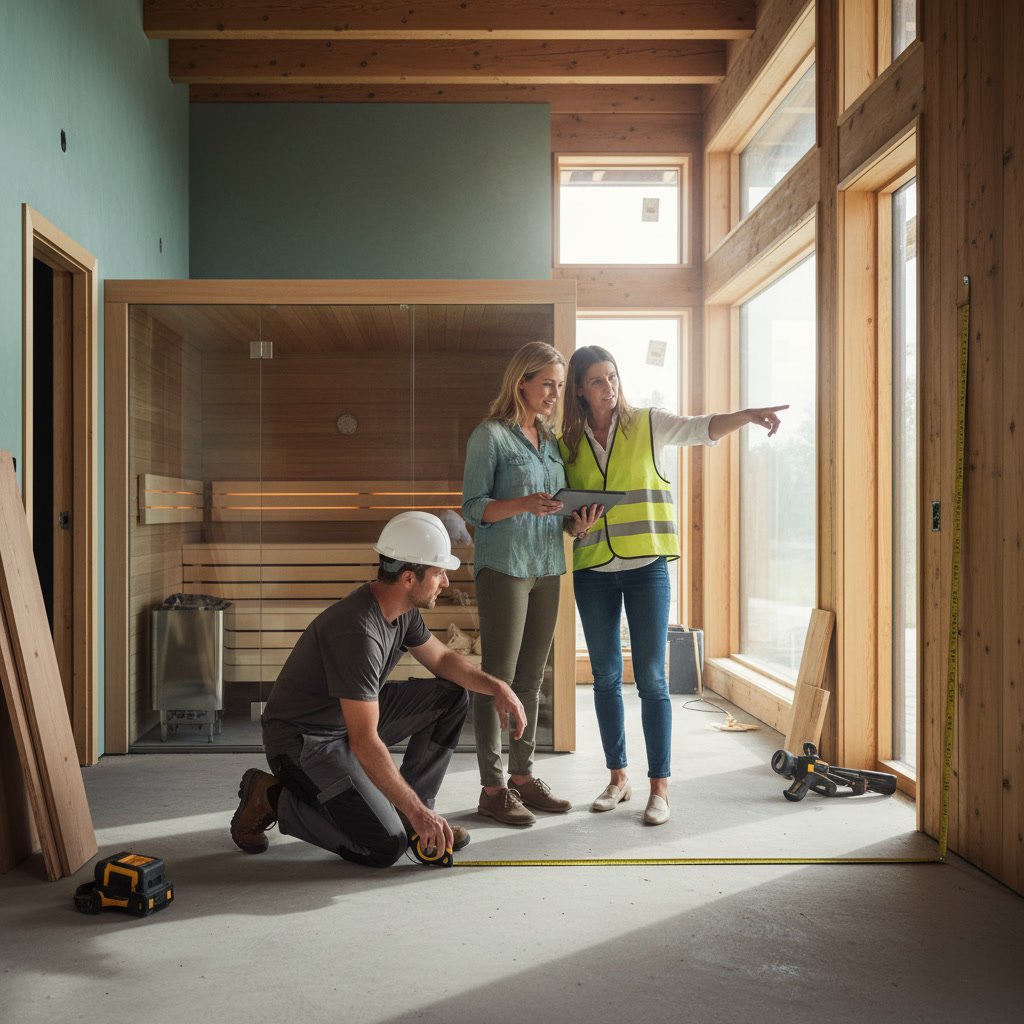
Outdoor Kitchen & Saunas works with Bay Area homeowners to design and install saunas that fit your space, budget, and wellness goals. Our team evaluates your home’s layout, electrical capacity, and usage plans to recommend the ideal dimensions and equipment. We also offer complete outdoor living spaces that integrate saunas with other wellness features for a cohesive backyard retreat. Call us at 408-256-0805 to schedule a consultation and discover how the right sauna design can transform your home.