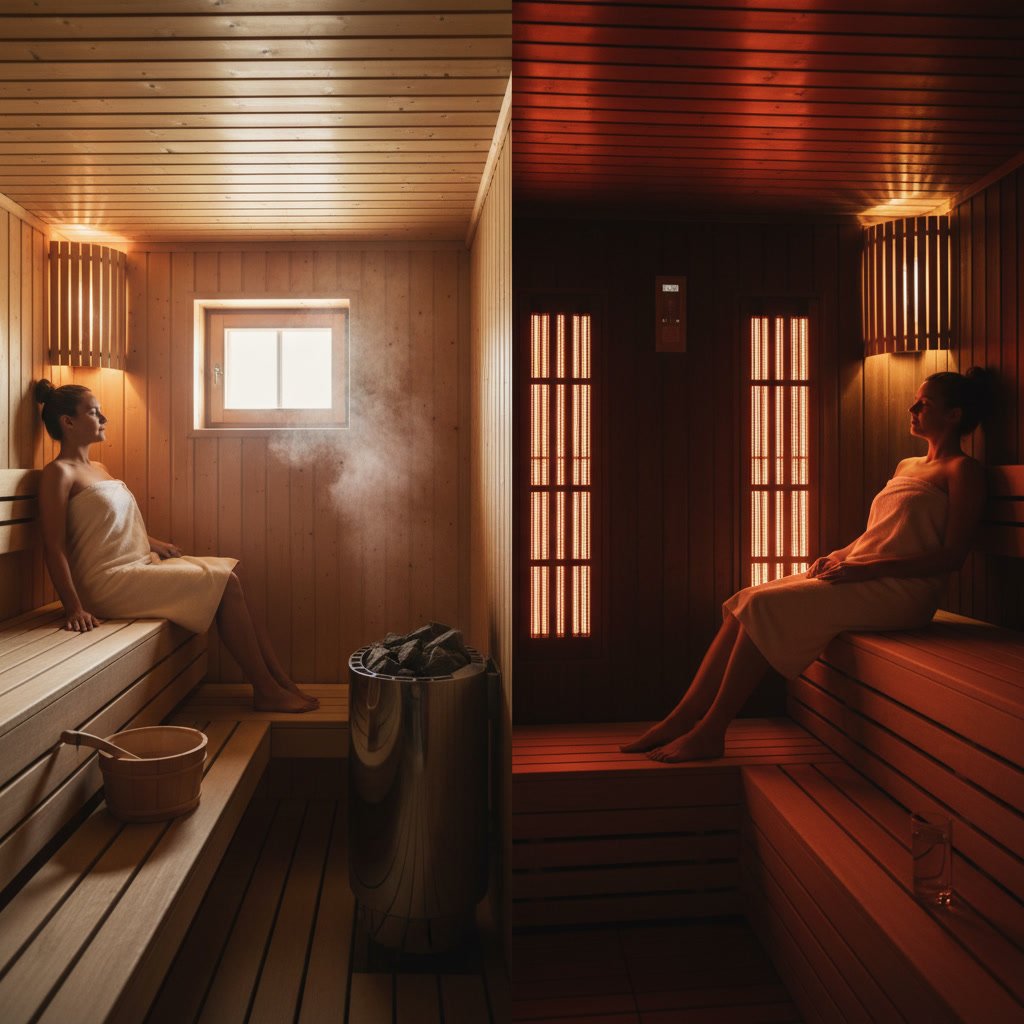
Traditional saunas heat the air around you using electric heaters or wood-burning stoves, while infrared saunas use light waves to heat your body directly. Both offer distinct health benefits and installation requirements, making the choice dependent on your preferences, available space, and wellness goals. Understanding the key differences between traditional vs infrared sauna models will help you select the right fit for your home and lifestyle.
The Growing Appeal of Home Saunas
Home saunas have shifted from luxury amenities to practical wellness investments. Busy schedules and rising gym membership costs drive homeowners to seek convenient, private relaxation spaces. Installing a sauna at home eliminates travel time and provides year-round access to heat therapy benefits.
Modern sauna technology has made installation simpler and more affordable than ever. Prefabricated units arrive ready to assemble, and many models require only a standard electrical connection. This accessibility has opened the door for homeowners who previously thought saunas were out of reach.
How Traditional Saunas Generate Heat
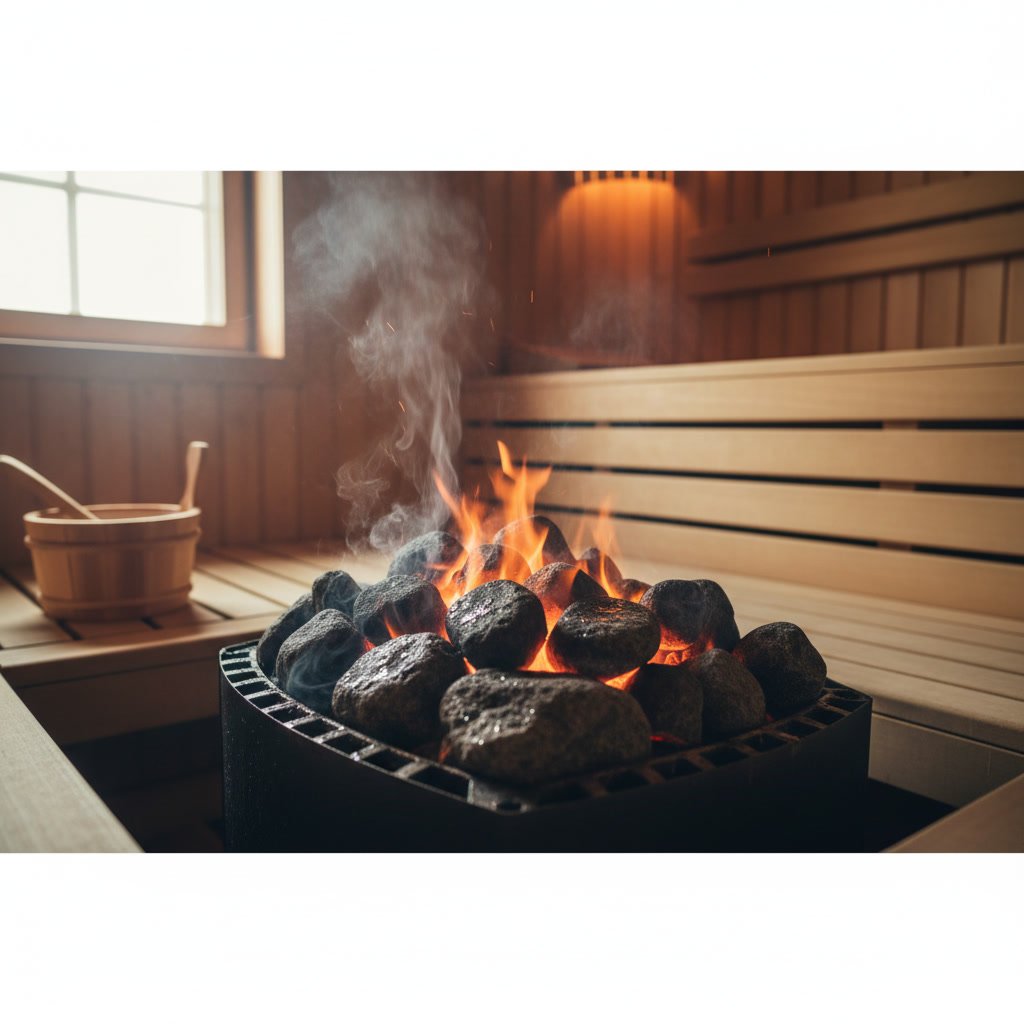
Traditional saunas rely on convection heating. A heater warms rocks or coils to temperatures between 150 and 195 degrees Fahrenheit, which then heat the surrounding air. When you pour water over hot rocks, steam increases humidity levels and intensifies the heat sensation.
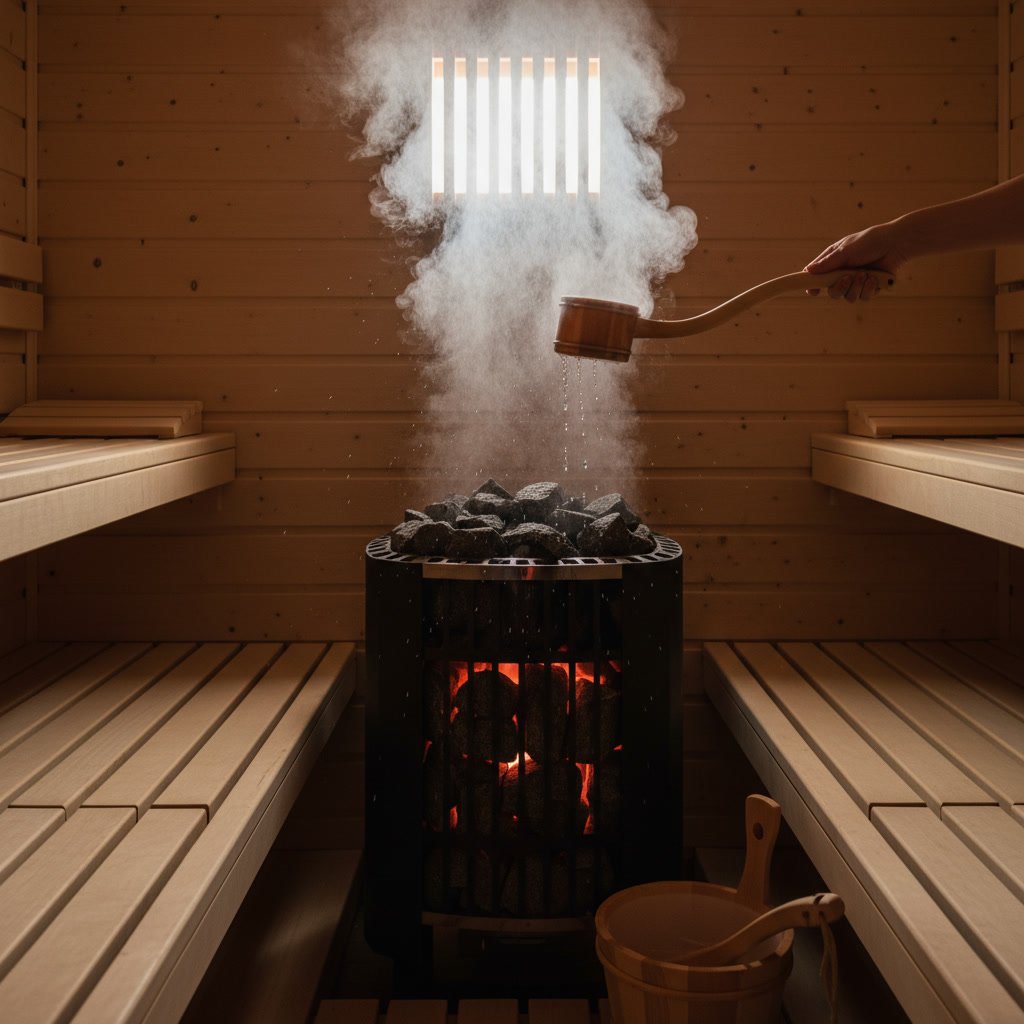
The high ambient temperature causes your core body temperature to rise. Your heart rate increases, blood vessels dilate, and you sweat profusely. This process typically takes 10 to 15 minutes of sitting in the heated space before you experience the full effects.
Most traditional units feature cedar, hemlock, or aspen wood interiors. These woods resist warping under high heat and humidity while releasing pleasant natural aromas. Ventilation systems cycle fresh air through the cabin at controlled rates to maintain oxygen levels without excessive heat loss.
How Infrared Saunas Work Differently
Infrared saunas use ceramic, carbon, or carbon-fiber panels to emit infrared light waves. These waves penetrate your skin and heat your body from within, rather than heating the air around you. The cabin temperature remains much lower, typically between 120 and 140 degrees Fahrenheit.
Your body absorbs about 80 percent of the infrared heat directly. This focused heating triggers sweating at lower ambient temperatures, which many users find more comfortable. The warming sensation starts within the first few minutes, making sessions feel productive faster.
Three types of infrared wavelengths exist: near, mid, and far. Far infrared penetrates deepest into tissue and is most common in home saunas. Some premium models combine all three wavelengths to target different depths of muscle and tissue for varied therapeutic effects.
Side-by-Side Comparison of Key Features
Temperature range differs significantly. Traditional saunas operate between 150 and 195 degrees, while infrared models stay between 120 and 140 degrees. Despite the cooler air, infrared saunas often produce comparable or greater sweat volume because heat penetrates tissue directly.
Preheat time varies widely. Traditional saunas require 30 to 45 minutes to reach operating temperature. Infrared units heat up in 10 to 15 minutes, saving time and energy for spontaneous sessions.
Energy consumption favors infrared models. A typical traditional sauna uses 6 to 8 kilowatts per hour, while infrared units consume 1.5 to 3 kilowatts. Over a year of regular use, this difference translates to hundreds of dollars in electricity costs.
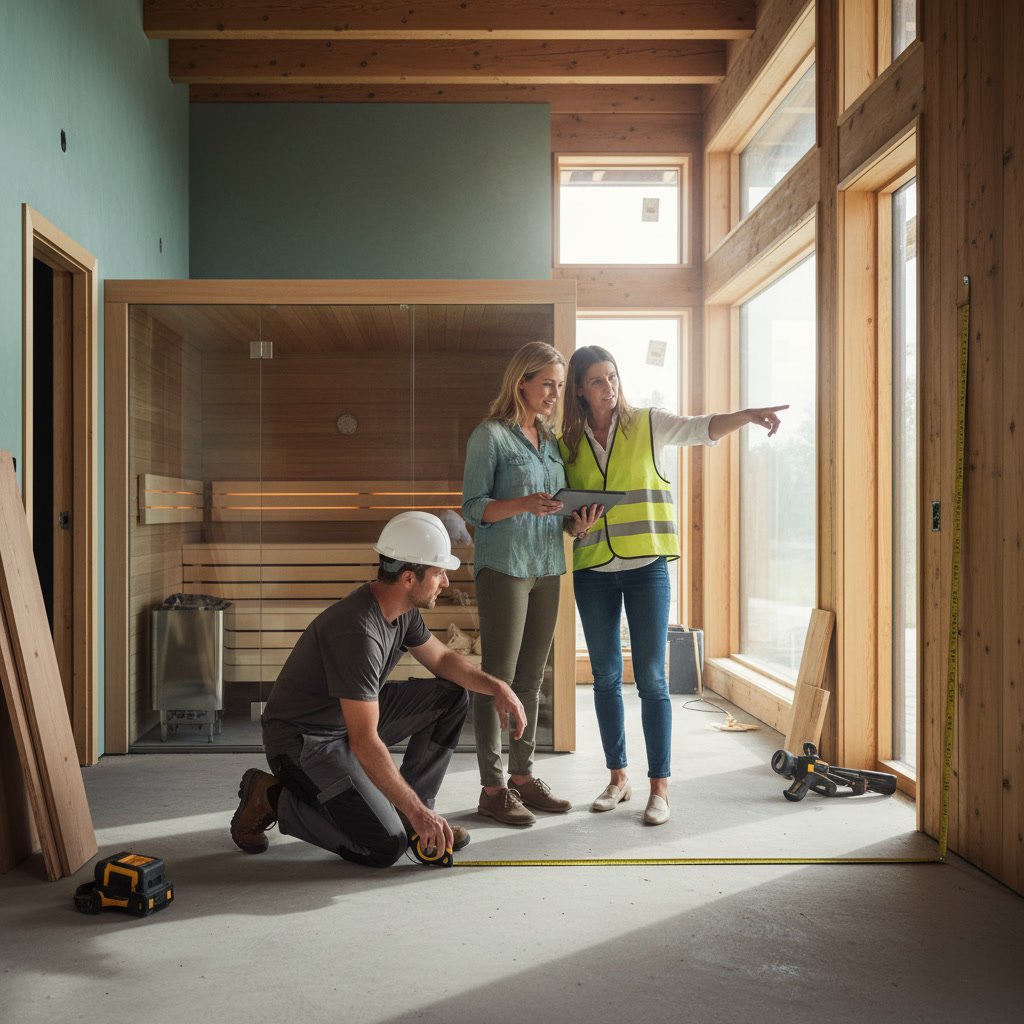
Installation complexity leans simpler for infrared saunas. Most plug into a standard 120-volt or 240-volt outlet. Traditional saunas often require dedicated 240-volt circuits and professional electrical work, especially for larger units.
Health Benefits You Can Expect
Both sauna types promote cardiovascular health by increasing heart rate and improving circulation. Regular use has been linked to lower blood pressure, reduced arterial stiffness, and improved endothelial function. Studies from Finland, where sauna use is a cultural norm, show correlations between frequent sauna bathing and reduced risk of cardiovascular disease.
Muscle recovery accelerates in both environments. Heat reduces muscle tension, increases blood flow to sore areas, and helps flush metabolic waste products. Athletes often use saunas post-workout to speed healing and reduce delayed onset muscle soreness.
Detoxification through sweating occurs in both sauna types, though the mechanisms differ slightly. Traditional saunas produce high-volume sweating through elevated air temperature. Infrared saunas generate deep sweating at lower temperatures, which some research suggests may mobilize different toxins stored in fat tissue.
Stress reduction and relaxation are universal benefits. The quiet, warm environment lowers cortisol levels and triggers endorphin release. Many users report improved sleep quality when they sauna in the evening, particularly when they follow heat exposure with a cool shower.
Space and Installation Requirements in San Jose Homes
Traditional saunas need robust ventilation and heat-resistant surroundings. Most require a minimum ceiling height of seven feet and floor space starting at four feet by four feet for single-person models. Larger family units can occupy 64 to 80 square feet. Proper drainage and moisture barriers protect surrounding structures.
Infrared saunas offer more installation flexibility. Many freestanding models arrive as prefabricated panels that assemble in a few hours. They can sit on any level floor, indoors or in covered outdoor spaces. Because they generate less humidity, they pose lower risk to adjacent drywall or flooring.
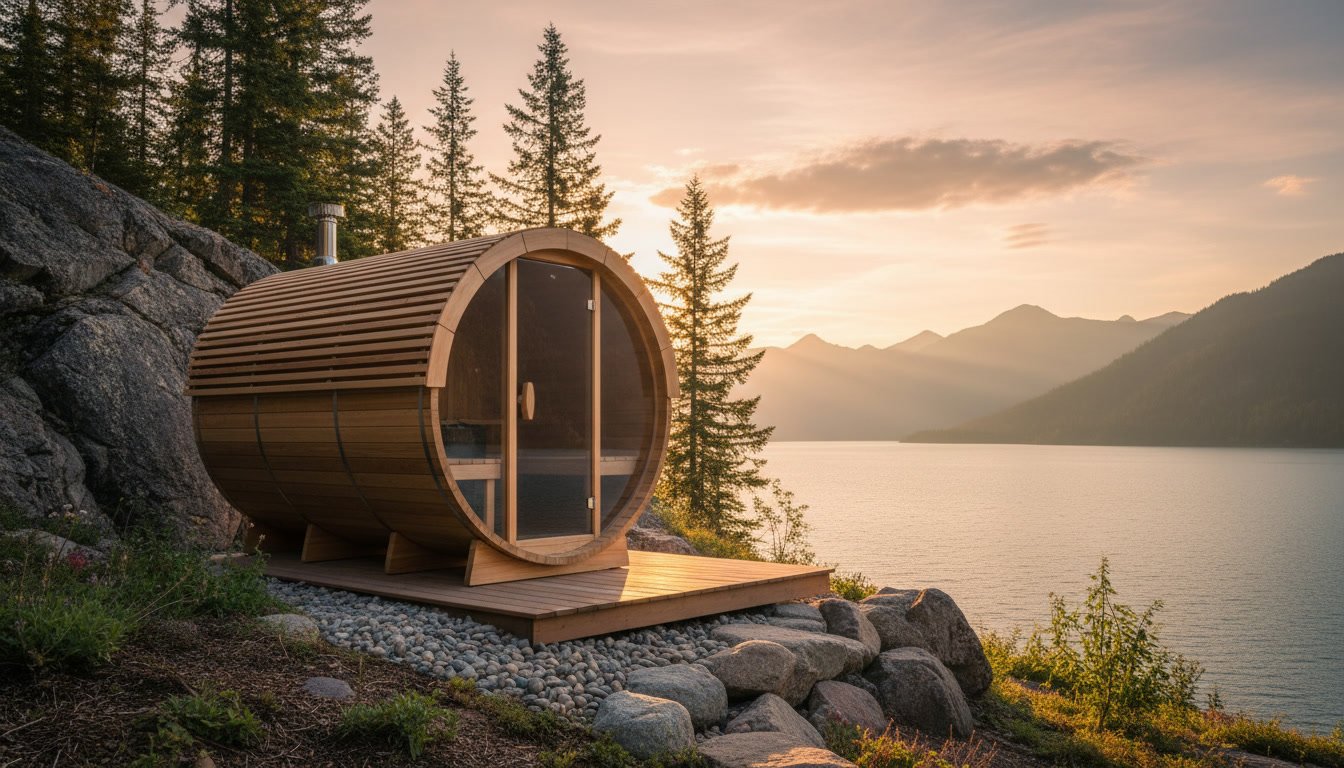
Climate considerations matter less than you might expect. Even in the mild Bay Area, outdoor traditional saunas work well with proper insulation and weatherproofing. Infrared units tolerate outdoor installation when protected from direct rain and extreme temperature swings.
Operating Costs Over Time
Energy bills represent the largest ongoing expense. A traditional sauna running three times per week at 45 minutes per session costs approximately $40 to $60 monthly in electricity. An infrared unit under the same usage pattern costs $10 to $20 monthly.
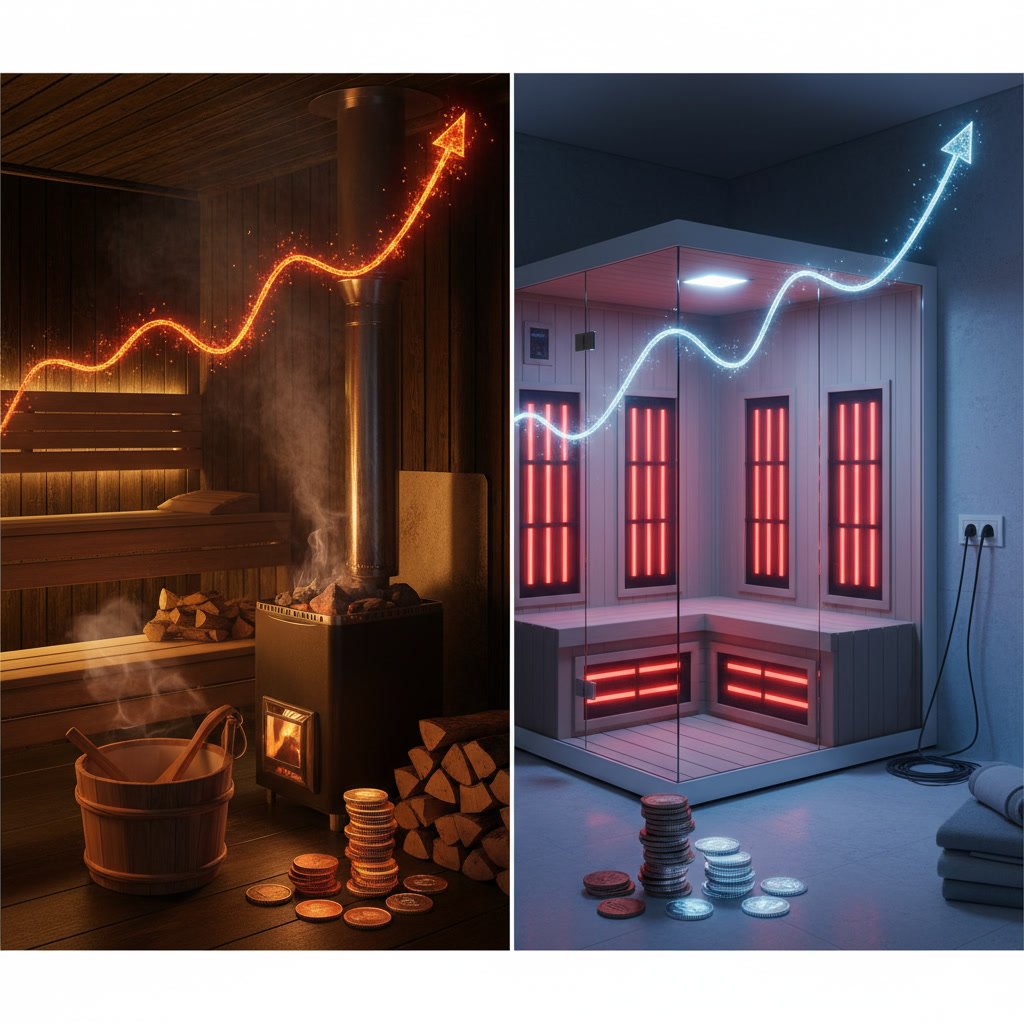
Maintenance requirements differ. Traditional saunas need periodic rock replacement, heater element checks, and wood sealing to prevent moisture damage. Infrared saunas require minimal upkeep beyond occasional panel cleaning and checking electrical connections. Neither type demands extensive ongoing service when properly installed.
Lifespan expectations are comparable when you purchase quality units. Traditional saunas built with premium wood and commercial-grade heaters last 20 to 30 years. Infrared panels carry warranties of 10 to 15 years, and the wood cabins surrounding them endure just as long with basic care.
User Experience and Personal Preference
Heat tolerance plays a major role in satisfaction. If you enjoy intense, breath-catching heat and the ritual of ladling water over hot rocks, a traditional sauna delivers that authentic experience. If you prefer gentler warmth that lets you sit comfortably while reading or meditating, infrared suits you better.
Session duration varies by type. Traditional sauna users typically spend 15 to 20 minutes inside, exit to cool down, then return for additional rounds. Infrared users often stay for 30 to 45 continuous minutes because the lower temperature feels less overwhelming.
Social dynamics differ slightly. Traditional saunas accommodate multiple people more comfortably because everyone shares the same heated air. Infrared saunas work well solo or in pairs, but adding more people can block infrared panels and reduce effectiveness for those not directly facing the emitters.
Common Misconceptions Clarified
One persistent myth claims infrared saunas are inherently healthier because they penetrate tissue more deeply. In reality, both types trigger beneficial cardiovascular and metabolic responses. The differences lie in comfort and preference, not superior health outcomes.
Another misconception suggests traditional saunas are outdated technology. While the concept is ancient, modern electric and wood-burning units incorporate advanced controls, safety features, and energy-efficient designs that rival any new technology.
Some buyers worry that infrared radiation poses health risks. Infrared light is non-ionizing, meaning it lacks the energy to damage DNA or cause cellular mutations. It sits on the electromagnetic spectrum between visible light and microwaves, far below harmful ultraviolet or X-ray wavelengths.
Expert Insight on Choosing the Right Model
One often-overlooked factor is the electrical service capacity in your home. Many older homes in the Bay Area have 100-amp service panels. Adding a large traditional sauna may require a panel upgrade, which adds $2,500 to $5,000 to your project. Before selecting a sauna type, have an electrician assess your current capacity. This single step prevents costly surprises during installation and helps you budget accurately.
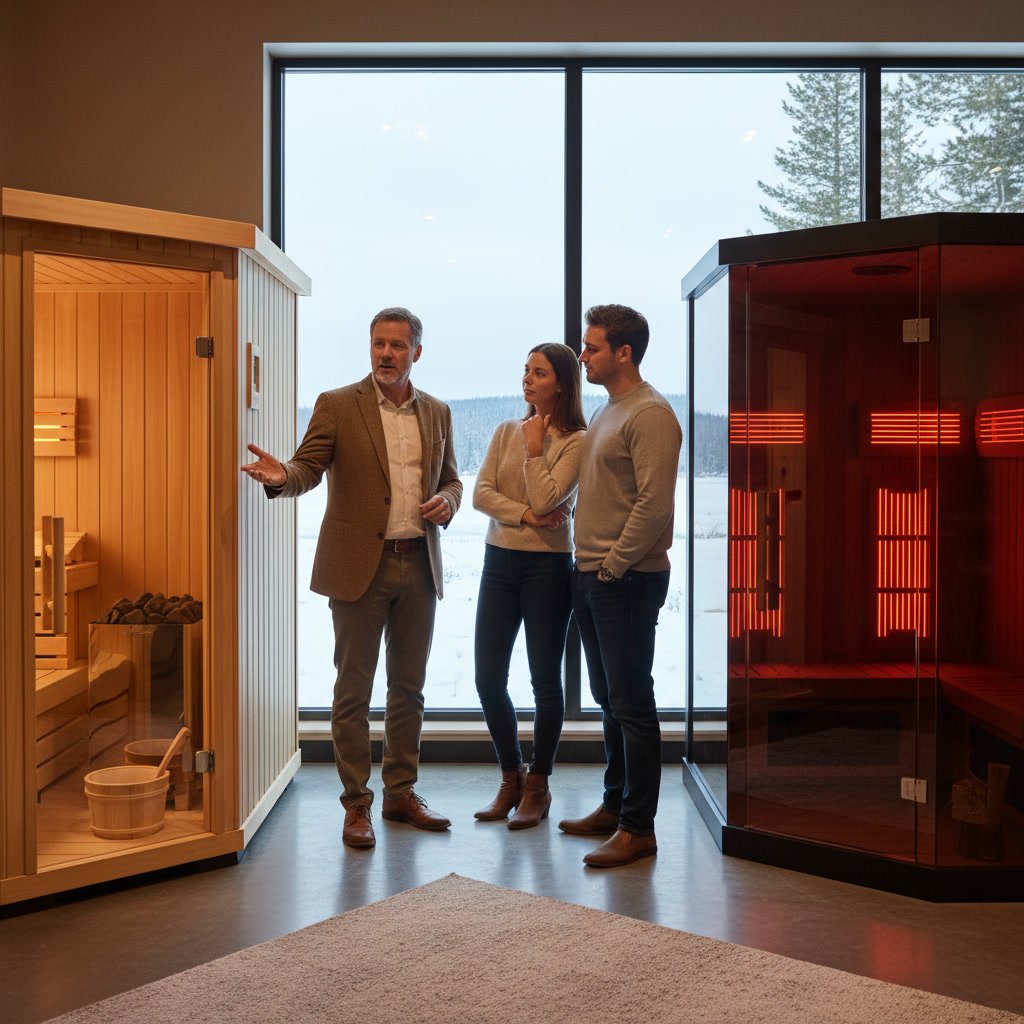
Consider your primary wellness goals. If cardiovascular conditioning and high-intensity heat exposure appeal to you, traditional saunas excel. If chronic pain, arthritis, or gentle detoxification are priorities, infrared models may deliver better targeted relief.
Test both types before committing. Many gyms, spas, and wellness centers offer day passes. Spending 30 minutes in each environment reveals which heat profile, humidity level, and overall sensation align with your preferences. This firsthand experience is worth far more than online reviews.
Making the Right Choice for Your Home
Both traditional and infrared saunas offer legitimate health benefits, reliable performance, and long-term value when properly selected and installed. Your decision should reflect your heat tolerance, available space, electrical capacity, budget, and wellness priorities. Neither option is universally superior, and both can transform your home into a private retreat for relaxation and recovery.
Outdoor Kitchen & Saunas in San Jose helps homeowners throughout the Bay Area compare models, assess installation requirements, and select the sauna that fits their unique needs. Whether you prefer the intense dry heat of a traditional unit or the gentle warmth of infrared technology, a professional consultation ensures you invest in the right solution. Reach out to our team at +14082560805 to discuss your project and explore the full range of sauna options available for your home.