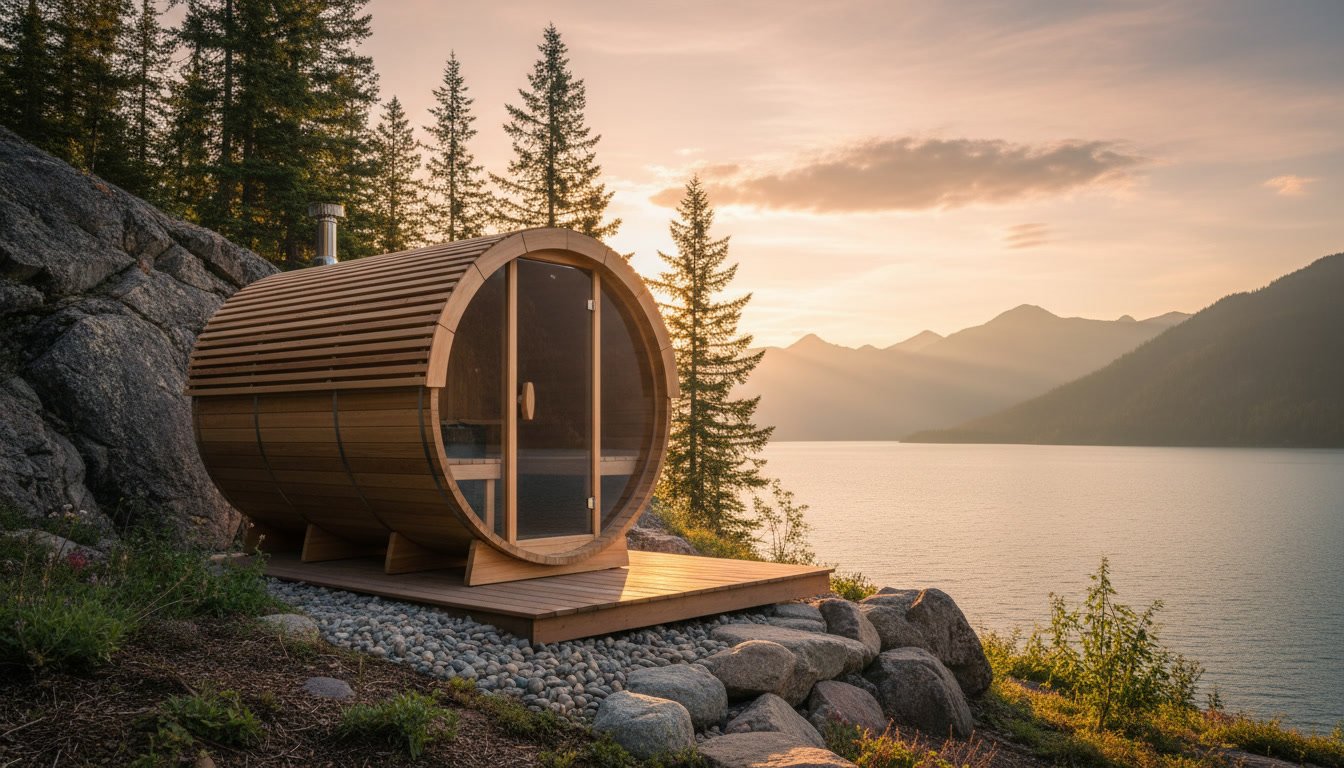
Choosing the right location and orientation for your outdoor sauna placement determines how much natural light reaches your structure, how well it withstands seasonal weather, and how comfortable your sessions will be year-round. The spot you select influences heating efficiency, wood durability, and whether you’ll enjoy morning sunshine or afternoon shade during your wellness routine.
Why Location Matters More Than Most Homeowners Realize
Most people focus on aesthetics when picking a sauna spot, but the position of your structure affects operating costs, maintenance needs, and long-term material integrity. A sauna placed in constant shade may stay cooler during summer months, but moisture from rain and morning dew takes longer to evaporate, accelerating mildew growth on exterior wood. Conversely, a unit in full southern exposure receives intense UV rays that can fade and crack untreated surfaces within a few seasons.
The direction your sauna door faces changes how wind patterns interact with the entrance. Cold drafts can lower interior temperatures during winter sessions, forcing your heater to work harder. Water runoff patterns also shift based on slope and orientation, affecting how well your foundation drains after heavy rain.
How Sun Angle Shifts Throughout the Year in Northern California
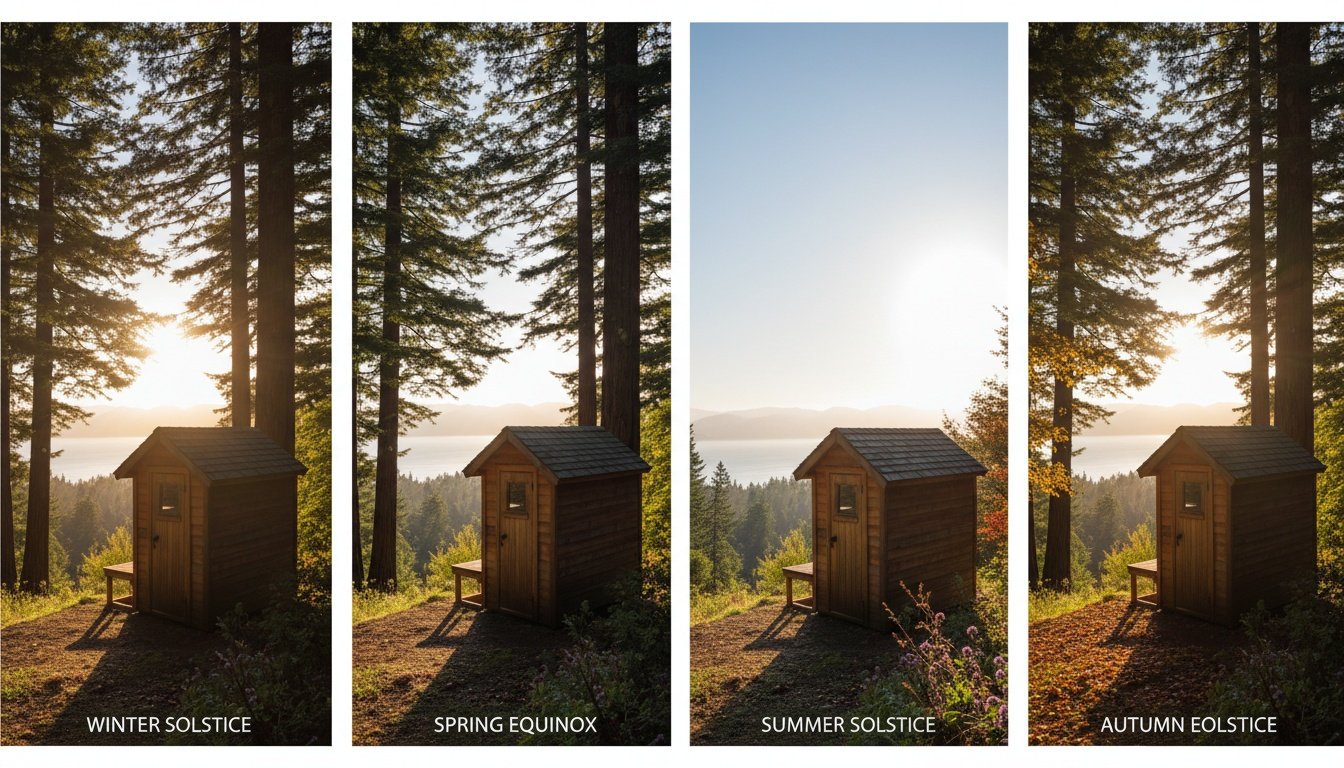
In the Bay Area, the sun follows a lower arc during winter, with maximum elevation around 35 degrees above the southern horizon in December. Summer brings a much steeper path, peaking near 75 degrees in June. This seasonal shift means a sauna positioned to catch winter sun may be shaded by a nearby tree or roof overhang six months later.
South-facing walls receive the most consistent light year-round, making them ideal for natural warming and faster moisture evaporation. East-facing structures enjoy gentle morning sun without harsh afternoon heat, while west-facing installations can become uncomfortably hot during summer evenings if not shaded by landscaping or architectural elements.
Matching Orientation to Your Climate Goals
If you plan to use your sauna primarily in cooler months, a south or southeast orientation captures maximum solar gain, pre-warming the structure before you fire up the heater. This passive heat reduces energy consumption and shortens preheat time by 10 to 15 minutes on sunny winter days.
For year-round use in warmer regions like San Jose and surrounding areas, a north or northeast orientation keeps the structure cooler during hot afternoons, making summer sessions more comfortable and reducing cooling-down time after you finish. Pairing this with deciduous trees on the south side provides winter sun penetration when branches are bare and summer shade when leaves fill in.
Wind Direction and Door Placement Strategy
Prevailing winds in the South Bay typically come from the northwest during summer and shift to the south during winter storm systems. Positioning your sauna door perpendicular to these dominant patterns prevents gusts from blowing directly into the interior when you open the entrance.
A recessed entryway or small vestibule adds another layer of wind protection, especially valuable if your yard lacks natural windbreaks. This buffer zone also serves as a transition space where you can store towels and robes without exposing them to outdoor moisture.
Drainage Slope and Foundation Considerations
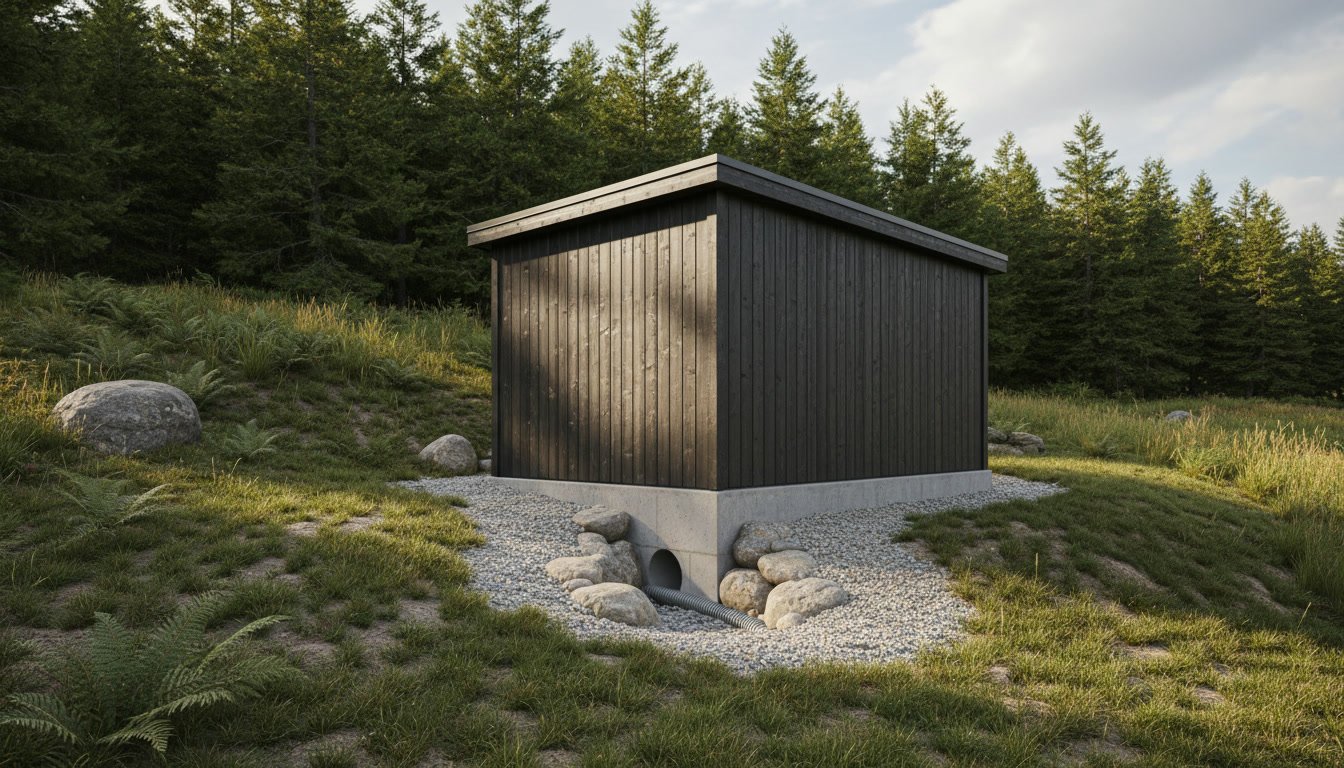
Your sauna should sit on ground that slopes away from the structure at a minimum grade of two percent, roughly one-quarter inch per foot. This gentle incline ensures rainwater and condensation runoff move away from the foundation rather than pooling underneath, where trapped moisture rots wooden supports and attracts pests.
Avoid low spots in your yard where water naturally collects after storms. Even with proper grading, these areas stay damp longer and create humidity that seeps into the sauna floor. Elevated sites with good air circulation dry faster and experience fewer moisture-related problems over the structure’s lifespan.
Privacy Screening Without Blocking Beneficial Sun
Many homeowners want visual separation from neighbors but make the mistake of surrounding their sauna with tall fencing or dense evergreens that block morning or afternoon sun. A better approach uses strategic screening on one or two sides, leaving the southern and eastern exposures open for light penetration.
Lattice panels with climbing vines, ornamental grasses in large planters, or a single privacy wall on the side facing neighboring windows achieve seclusion without creating a dark, enclosed feeling. This selective shading also improves ventilation, allowing air to circulate around the structure and carry away excess humidity.
Distance from Your Home and Utility Access
Placing your sauna too far from the house adds cost for electrical runs and makes winter trips less appealing when you have to walk 50 feet through rain or cold. A distance of 15 to 25 feet balances convenience with the sense of retreat many people seek in an outdoor living space.
Proximity also matters for water access if you plan to rinse off before or after sessions. Running a hose line or installing a dedicated outdoor shower becomes simpler when the sauna sits closer to existing plumbing. Electrical code typically requires a dedicated 240-volt circuit for most saunas, and longer cable runs increase material and labor expenses during installation.
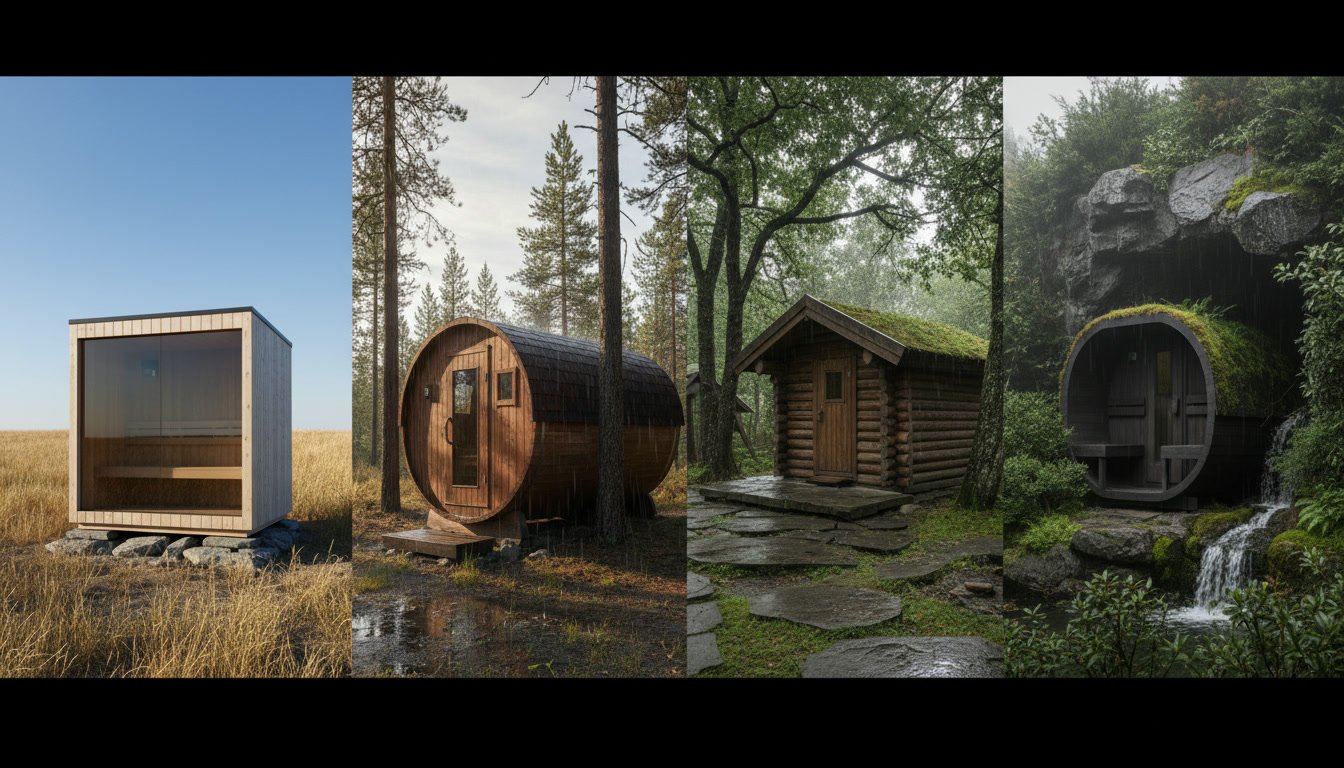
Four Placement Scenarios Ranked by Sun and Weather Performance
The best configuration depends on your specific priorities, but these common setups illustrate trade-offs between sun exposure, weather protection, and practical access.
Southeast corner with partial tree cover: Captures morning sun for natural warmth, afternoon shade prevents overheating in summer, and nearby trees serve as windbreaks during storms. Requires thoughtful tree selection to avoid root interference with the foundation.
North side with full shade: Stays coolest in summer, ideal for hot climates, but lacks passive solar gain in winter and may require longer preheat times. Wood surfaces last longer with less UV exposure, reducing maintenance frequency.
South-facing open yard: Maximizes year-round sun exposure, fastest snow and rain evaporation, but needs shading elements or heat-reflective finishes to prevent summer overheating and wood degradation from intense UV.
East-facing near the house: Gentle morning light, convenient access, protected from afternoon wind, but western exposure may receive harsh late-day sun depending on nearby structures or landscaping.
Roof Overhang and Natural Shelter Elements
A properly sized roof overhang shields walls from direct rain while still allowing low-angle winter sun to reach the structure. A 12 to 18-inch projection works well in most Bay Area climates, providing weather protection without creating excessive shade or trapping humid air against the building.
Positioning your sauna under the eave of an existing building or pergola offers additional shelter, but verify that drainage from the upper roof directs away from the sauna foundation. Gutter downspouts should discharge at least six feet from the sauna perimeter to prevent water infiltration and soil saturation around the base.
How Placement Affects Heating Efficiency and Session Comfort
A sauna exposed to constant wind loses heat through exterior walls faster than a sheltered unit, forcing the heater to cycle more frequently and increasing energy consumption by 15 to 20 percent. Wind chill also makes the walk to and from your sauna less pleasant during colder months, reducing how often you’ll actually use the amenity.
Understanding how saunas work helps clarify why exterior conditions matter. Traditional models rely on convection currents and radiant heat, both of which are influenced by air infiltration around doors and ventilation openings. A well-protected site minimizes these losses and creates more stable interior conditions throughout your session.
Infrared models are slightly less sensitive to drafts since they heat objects directly rather than warming air, but cold surfaces still draw heat away from your body. Choosing a sheltered location improves comfort regardless of sauna type.
Creating the Ideal Sauna Environment in Your Yard
The perfect spot balances sun exposure for passive warmth and moisture control with enough shade to protect materials and prevent summer overheating. It offers natural wind protection without feeling enclosed, and it drains effectively after storms without requiring extensive site work.
Start by observing your yard at different times of day and during various weather conditions. Note where puddles form after rain, which areas receive morning versus afternoon sun, and how wind moves through open spaces. These observations reveal microclimates that aren’t obvious from a single visit or a static site plan.
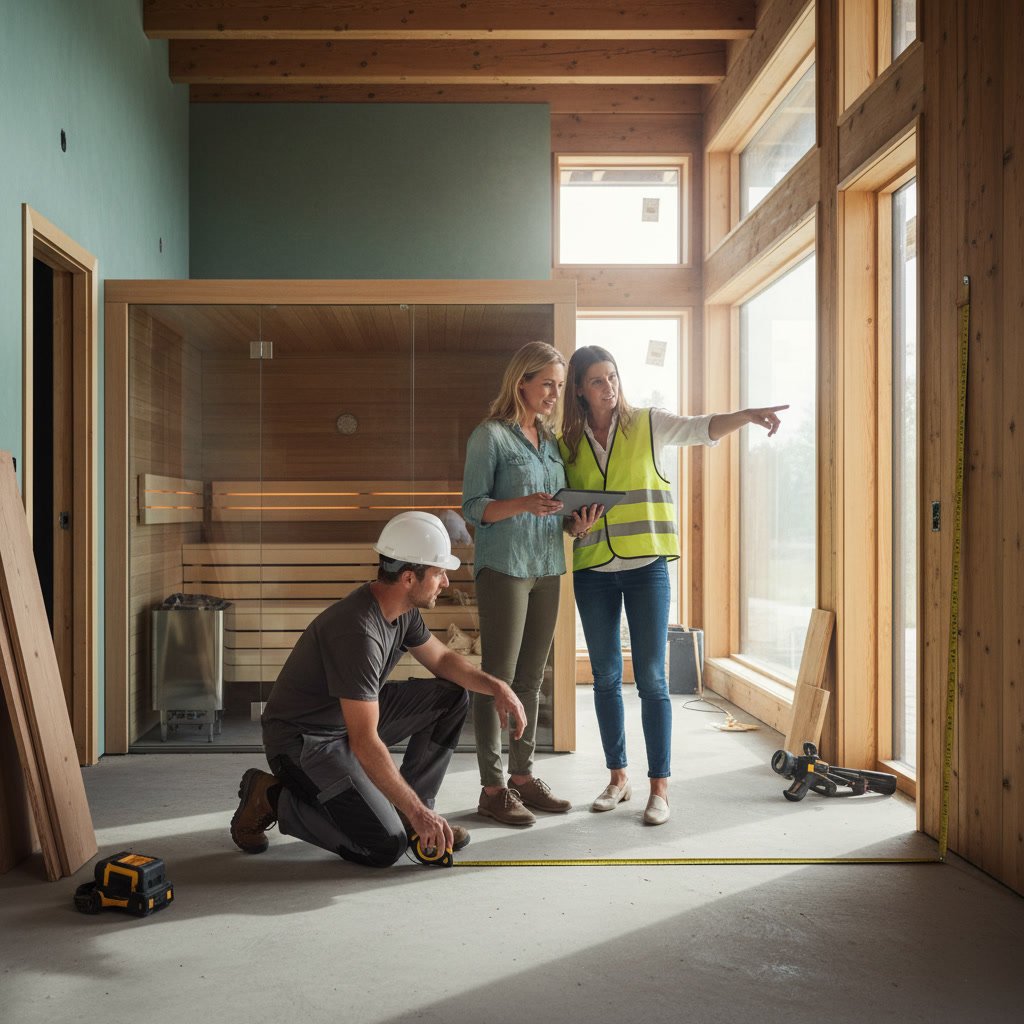
Professional installation teams from Zubr Construction LLC routinely evaluate sun angles, drainage patterns, and wind exposure before recommending final placement. This upfront planning prevents costly repositioning after construction and ensures your investment delivers comfort and durability for decades.
If your property slopes significantly or has challenging soil conditions, a site visit can identify solutions like retaining walls, French drains, or elevated platforms that create a suitable foundation where one doesn’t naturally exist. Small adjustments in orientation or positioning often make the difference between a sauna you use weekly and one that becomes a maintenance burden.
Zubr Construction LLC helps homeowners throughout the Bay Area select and install outdoor saunas designed for local climate conditions. Our team evaluates your yard’s unique characteristics to recommend placement that maximizes comfort, efficiency, and long-term performance. Reach out at 408-256-0805 to schedule a consultation and discuss how orientation and site conditions will shape your sauna project.