The wood species you choose for your sauna directly determines how long it lasts, how it smells, and how well it handles high temperatures. Your sauna wood type affects everything from moisture resistance to the sensory experience during each session. Understanding the properties of cedar, hemlock, aspen, and Nordic spruce helps you make an informed decision that matches your budget, climate, and wellness goals.
Why Material Selection Matters in Sauna Construction
Most homeowners underestimate how much the wood species impacts their daily sauna experience. A poor choice can lead to warping, excessive resin bleeding, unpleasant odors, or even structural failure within a few years. The right wood handles temperature swings between ambient and 180-190°F without cracking, resists moisture damage from repeated wet-dry cycles, and maintains a comfortable surface temperature that won’t burn bare skin.
Premium sauna manufacturers carefully select wood species based on three key properties: low thermal conductivity (so benches stay cool enough to sit on), natural rot resistance, and minimal resin content. These factors directly influence both safety and longevity.
How Hardwoods and Softwoods Perform Under Heat
Hardwoods like oak or maple might seem durable, but they absorb too much heat and become uncomfortably hot to touch. Most saunas use carefully selected softwoods that stay cooler during sessions. Softwoods have lower density and thermal mass, which means they heat the air efficiently without storing excessive heat in the benches and walls.
The cellular structure of softwood creates natural insulation pockets. These air spaces reduce thermal conductivity by 30-40% compared to hardwoods, keeping surface temperatures tolerable even when ambient air reaches 185°F. This property becomes critical for comfort during extended sessions.
Cedar Varieties Offer Natural Durability and Scent
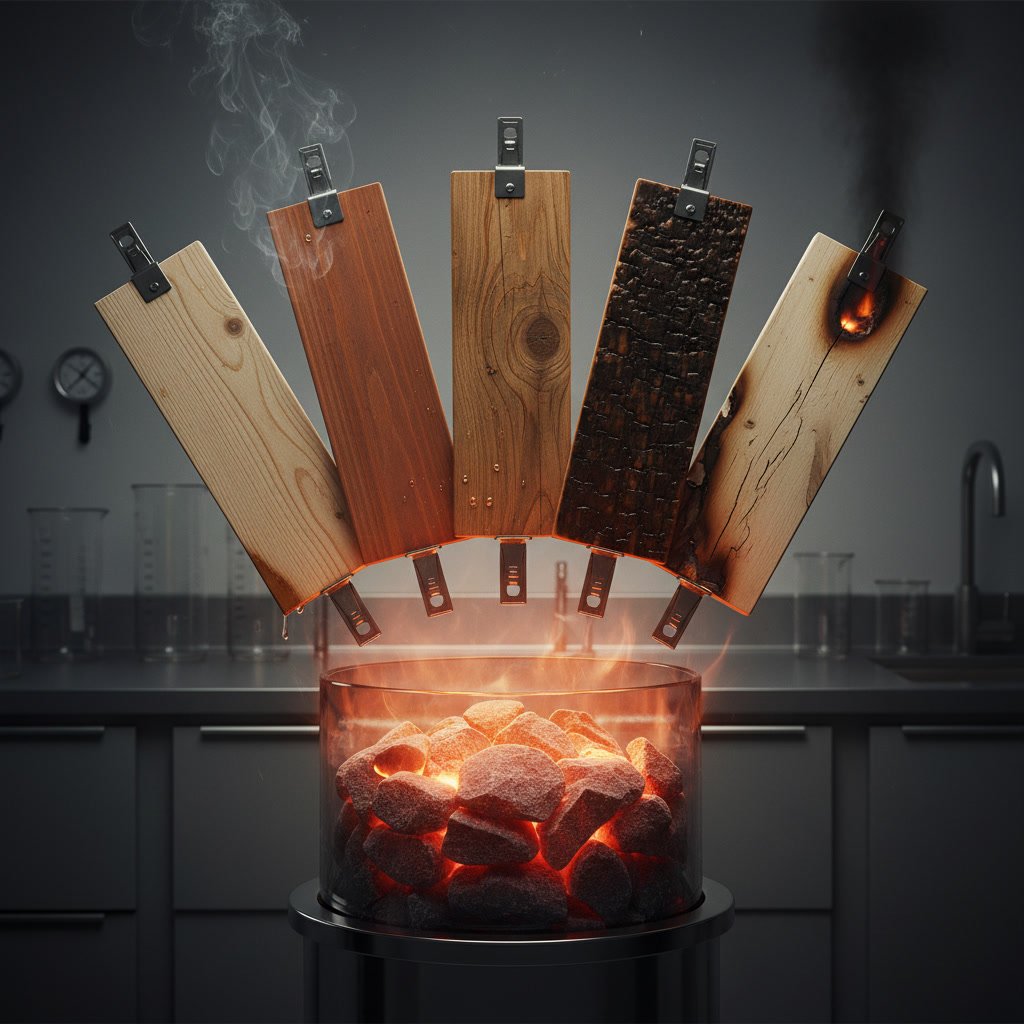
Western Red Cedar dominates the North American sauna market because it checks every box. Its natural oils repel moisture, inhibit bacterial growth, and release a subtle, pleasant aroma when heated. The wood contains thujaplicins, organic compounds that act as natural preservatives and give cedar its characteristic scent and rot resistance.
Cedar heartwood maintains structural integrity for 15-20 years in typical residential use. The oils prevent warping even in humid climates, making it ideal for outdoor installations or regions with significant temperature fluctuations. However, cedar costs 20-35% more than alternatives like hemlock, which makes budget a consideration for larger projects.
Some users find the cedar aroma overpowering during the first few months. The scent mellows over time as volatile oils evaporate, but if you prefer a neutral environment, you might want to consider other species.
Hemlock Provides Budget-Friendly Heat Resistance
Canadian Hemlock offers similar thermal properties to cedar at a lower price point. It has a light color, minimal grain pattern, and virtually no scent when heated. This neutrality appeals to users who want the health benefits of traditional sauna sessions without aromatherapy elements.
Hemlock lacks cedar’s natural preservatives, which means it requires proper ventilation and occasional treatment to prevent moisture damage. In dry climates or well-maintained indoor installations, hemlock performs reliably for 10-15 years. It handles heat just as well as cedar, with surface temperatures staying 15-20°F cooler than the surrounding air.
Aspen and Poplar for Hypoallergenic Environments
European manufacturers often use aspen or poplar for users sensitive to aromatic oils. These hardwoods break the usual rule because their low density gives them softwood-like thermal properties. Aspen stays cool to the touch and produces zero scent, making it the top choice for commercial facilities and medical settings.
The pale, uniform color of aspen creates a bright, modern aesthetic. It resists splintering better than most softwoods and maintains a smooth surface even after years of use. The primary drawback is availability: genuine European aspen costs significantly more in North America due to import expenses, and domestic alternatives don’t always match the quality.
Nordic Spruce and Pine in Traditional Designs
Scandinavian saunas traditionally use Nordic spruce or pine for walls and ceilings, reserving aspen or alder for benches. Spruce handles structural loads well and provides excellent insulation. Its tight grain pattern and small, tight knots add visual character without compromising strength.
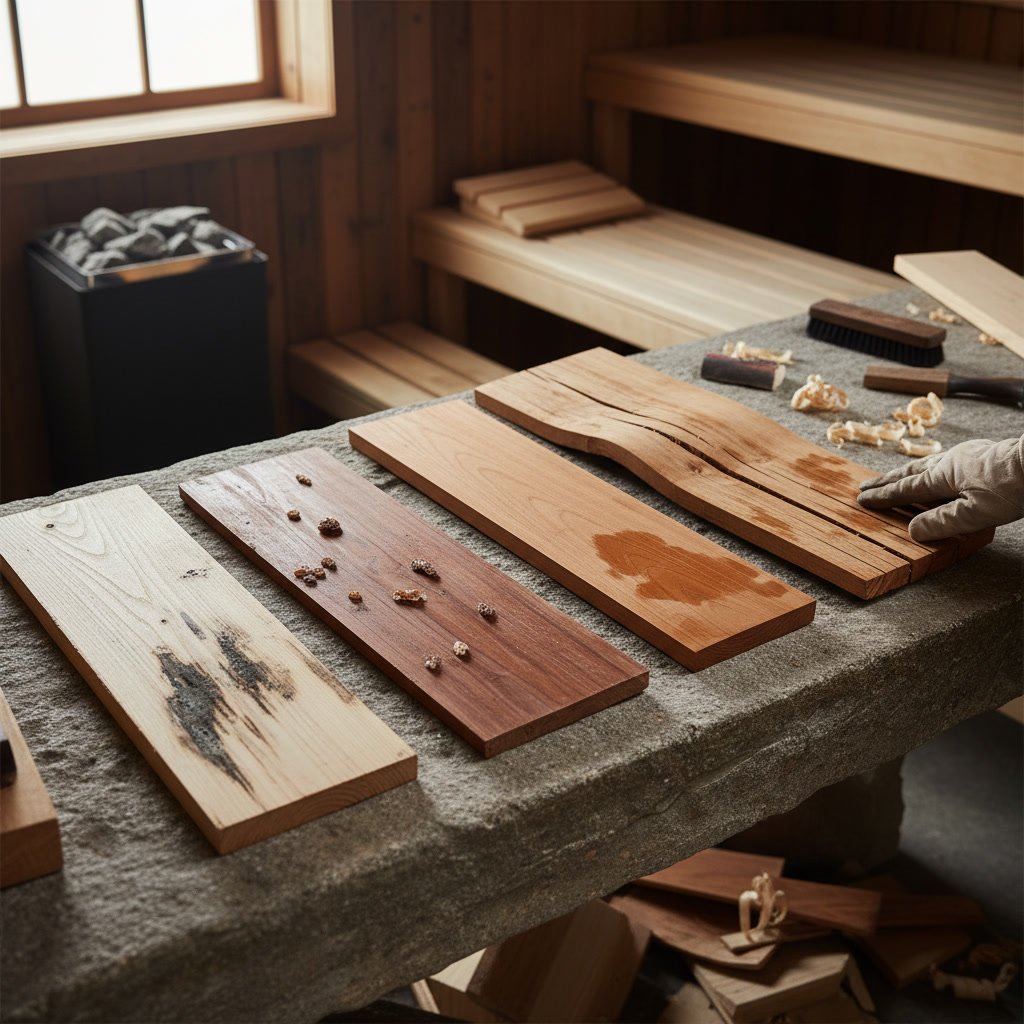
However, pine and spruce contain more resin than cedar or hemlock. When exposed to high heat, resin pockets can weep sticky sap that hardens on surfaces. Kiln-dried Nordic species minimize this issue, but you should still expect occasional resin spots during the first year. Most users find this a minor inconvenience rather than a deal-breaker, especially given the authentic aesthetic these woods provide.
Moisture Resistance and Dimensional Stability
Wood moves. It expands when humid, contracts when dry, and twists if moisture content varies across the board. Sauna wood endures extreme conditions: bone-dry heat during sessions, then cooling to ambient humidity. Species with high dimensional stability resist cupping, warping, and splitting through these cycles.
Cedar leads in stability due to its balanced cell structure and natural oils. Hemlock ranks close behind. Spruce and pine show more movement, which is why proper kiln-drying to 8-12% moisture content before installation becomes critical. Aspen falls in the middle, stable enough for benches but requiring careful acclimation before assembly.
A pro tip: never install sauna wood immediately after delivery. Let boards acclimate to your local humidity for 48-72 hours. This simple step prevents gaps and misalignment as the wood adjusts to its permanent environment.
Comparing Wood Species for San Jose Climate Conditions
The Bay Area’s mild, dry summers and moderate winters create ideal conditions for most sauna woods. Low humidity reduces the risk of rot and mold, allowing even less naturally resistant species like hemlock to perform well. Homeowners in San Jose can choose based on aesthetic preference and budget rather than worrying about extreme weather damage.
Outdoor installations still benefit from cedar’s superior moisture resistance, especially if the sauna lacks a covered porch or roof overhang. Outdoor living spaces that integrate saunas with patios or pool areas should prioritize rot-resistant species to handle occasional rain and morning dew.
Indoor units in climate-controlled homes face minimal environmental stress. Here, hemlock or aspen provides excellent value without sacrificing performance. The key is matching the wood to the installation environment rather than defaulting to the most expensive option.
How Wood Choice Affects Long-Term Maintenance
All sauna wood requires basic care: regular cleaning, proper ventilation after use, and periodic inspection for damage. Cedar’s natural oils simplify maintenance because they actively resist mold and mildew. A quick wipe-down and open-door drying after each session usually suffices.
Hemlock and spruce need more attention. Apply a food-safe wood treatment annually to maintain moisture resistance. Sand and refinish benches every 3-5 years to remove surface stains and restore smoothness. These tasks take a few hours but extend lifespan significantly.
Aspen requires the least maintenance once properly sealed. Its dense surface resists staining and rarely needs sanding. However, any wood treatment must be non-toxic and heat-stable, as conventional sealers can release fumes at sauna temperatures.
Aroma Profiles and Sensory Experience
Scent transforms a basic heat session into a multisensory wellness ritual. Cedar releases warm, earthy notes that many users find grounding and stress-relieving. The aroma intensifies during the first dozen sessions, then stabilizes to a subtle background presence.
If you plan to use essential oils or aromatherapy herbs, neutral woods like hemlock or aspen won’t compete with added scents. Humidity levels also interact with wood aromas: higher humidity in traditional wet saunas amplifies natural wood scents, while dry infrared units produce minimal smell regardless of species.
Pine and spruce offer a fresh, resinous scent that some love and others find too strong. The aroma fades over time as volatile compounds evaporate, but it remains more pronounced than cedar even after years of use.
Making the Right Choice for Your Home Sauna
Start by defining your priorities. If longevity and low maintenance top the list, cedar justifies the extra cost. Budget-conscious projects achieve excellent results with hemlock, especially for indoor installations. Allergy concerns or scent sensitivity point toward aspen. Traditionalists seeking authentic Scandinavian character should consider Nordic spruce with aspen benches.
Consider the complete project scope. A small two-person sauna uses minimal material, making premium species affordable. Larger family units or integrated spa complexes might benefit from mixing species: cedar for high-moisture areas, hemlock for walls and ceilings where durability matters less.
Outdoor Kitchen & Saunas works with clients throughout the Bay Area to match wood species to specific needs and site conditions. The right choice balances performance, budget, and personal preference. No single species works best for everyone, but understanding how each performs helps you avoid expensive mistakes.
Whether you choose aromatic cedar, neutral hemlock, or premium aspen, proper installation and basic maintenance ensure decades of reliable use. The wood you select today shapes your wellness routine for years to come, making it one of the most important decisions in your sauna project.
Outdoor Kitchen & Saunas helps homeowners select the ideal wood species for their specific installation and climate. Our team provides detailed product consultations to match your performance requirements and aesthetic preferences. Contact us at 408-256-0805 to discuss your project and explore our full range of sauna options.