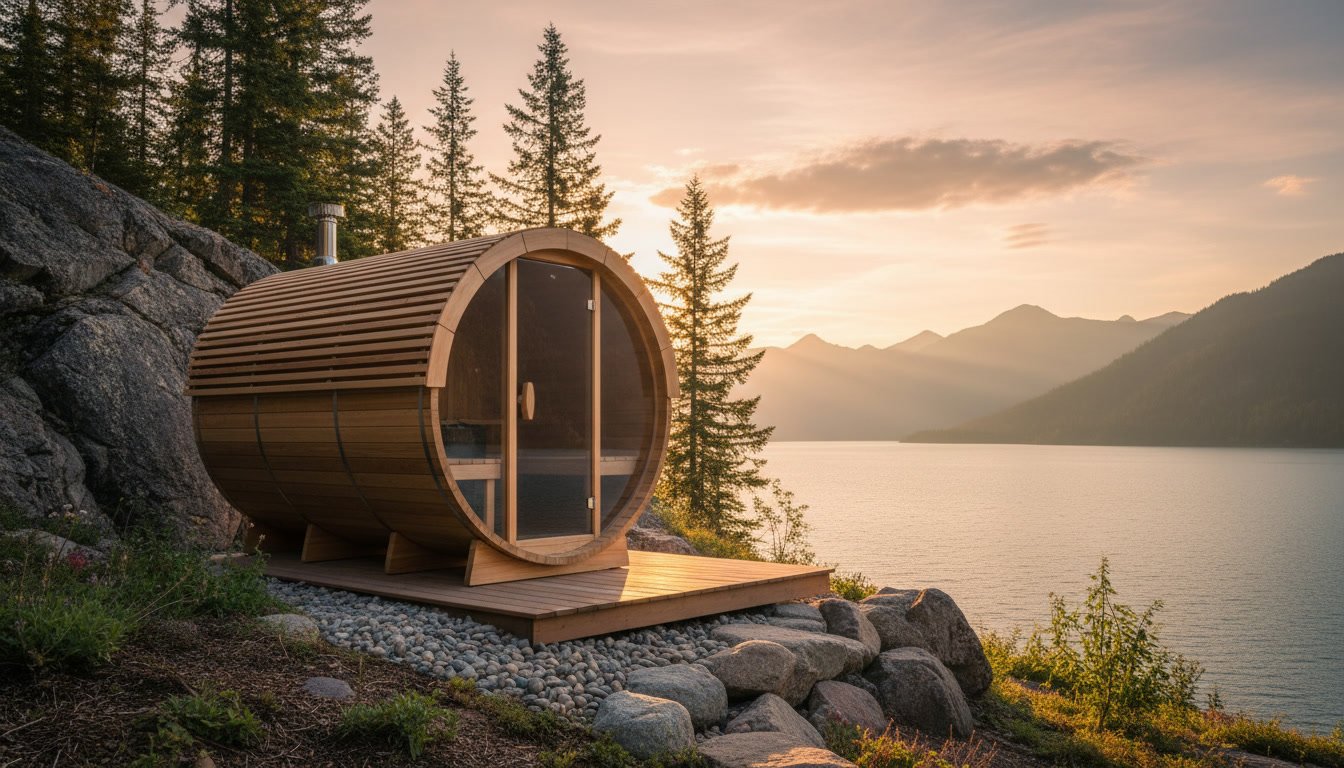
Sauna humidity levels determine how your body responds to heat, how long you can comfortably stay inside, and which health benefits you receive. A traditional Finnish sauna operates at 10-20% humidity with temperatures between 160-195°F, while a steam room can reach 100% humidity at lower temperatures around 110-120°F. The amount of moisture in the air changes how heat penetrates your skin, how efficiently you sweat, and how your cardiovascular system adapts to the thermal stress.
Why Moisture Content Changes How Heat Feels
Dry heat allows sweat to evaporate quickly from your skin, which cools your body and lets you tolerate higher temperatures. When humidity rises above 30%, evaporation slows down dramatically. Your sweat stays on your skin instead of turning to vapor, which makes the air feel much hotter even when the thermometer reads a lower number.
This explains why a 180°F traditional sauna feels manageable for 15-20 minutes, but a 120°F steam room becomes uncomfortable after just eight to ten minutes. Your body’s cooling mechanism depends on evaporation, and high moisture content blocks that process. The perceived temperature rises as humidity increases, even when the actual air temperature drops.
The Science Behind Dry Heat and Wet Heat Therapy
Dry saunas force your body to produce more sweat to cool itself, which increases your heart rate and improves circulation. Studies show that regular dry sauna use at 174°F for 20 minutes can elevate heart rate to 120-150 beats per minute, similar to moderate exercise. This cardiovascular response strengthens over time and may reduce blood pressure in people with hypertension.
Wet heat penetrates the outer layer of skin more effectively because water conducts thermal energy 25 times faster than air. Steam opens pores, hydrates the skin surface, and loosens mucus in respiratory passages. People with chronic sinus issues or dry skin conditions often prefer higher humidity environments for these specific therapeutic effects.
How Different Sauna Types Control Moisture
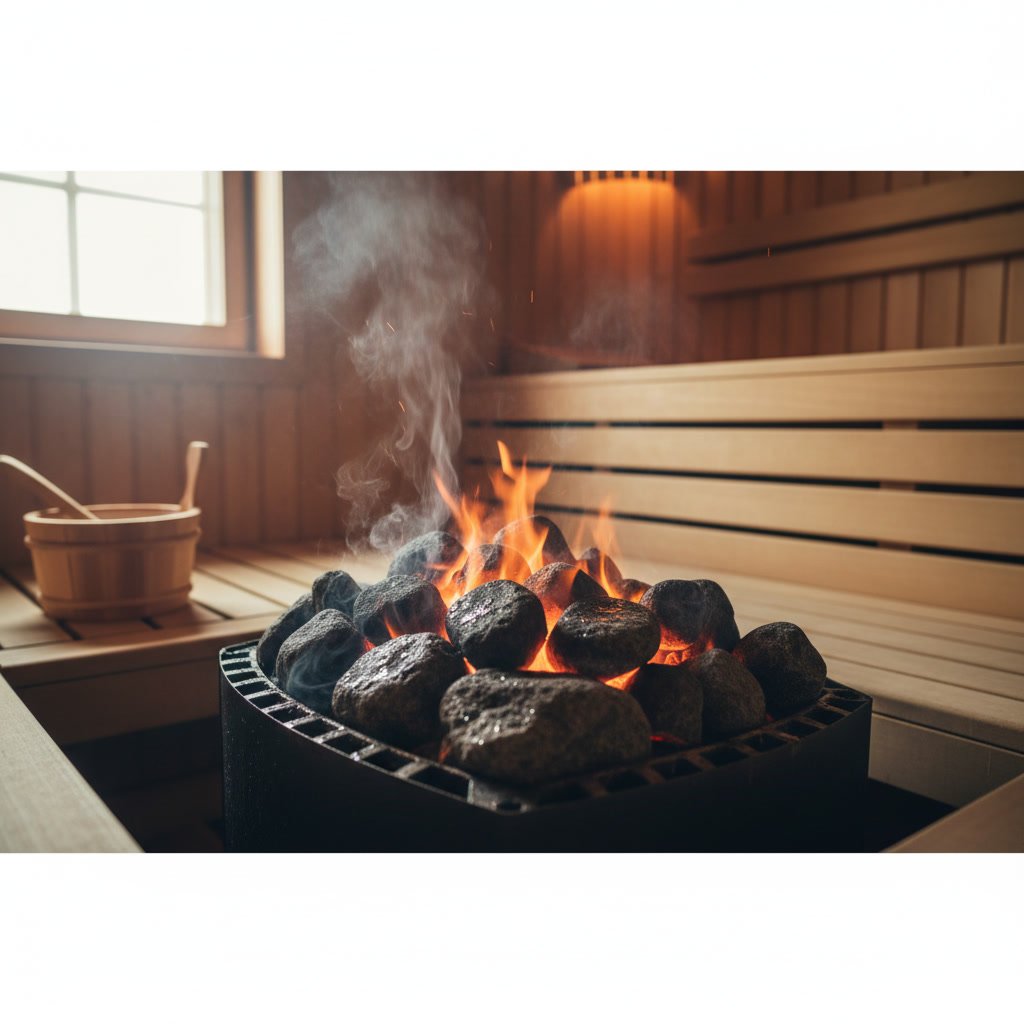
Traditional Finnish saunas use electric or wood-burning heaters with rocks on top. Pouring water over the heated stones creates a burst of steam called löyly, temporarily raising humidity from 10% to 30% for one to two minutes. This gives you control over moisture levels during your session, letting you adjust the experience based on your tolerance and goals.
Infrared saunas maintain the lowest humidity of any type, typically below 10%, because they use radiant panels instead of heated air. The dry environment feels gentler on your lungs and allows longer sessions at lower temperatures, usually 120-140°F. Many first-time sauna users find this combination easier to tolerate than the intense heat of a traditional setup.
Steam rooms operate at the opposite end of the spectrum with near-100% humidity. The generator boils water and releases vapor continuously, creating a thick fog that limits visibility to just a few feet. These rooms rarely exceed 120°F because higher temperatures combined with full saturation would become dangerous within minutes.
Optimal Humidity Ranges for Specific Health Goals
For cardiovascular conditioning and maximum calorie burn, keep humidity between 10-20% and temperature between 170-190°F. This combination produces the strongest heart rate response and the most profuse sweating. Research from Finland, where sauna bathing is studied extensively, shows this range delivers the most significant improvements in arterial function and endurance.
Respiratory relief requires higher moisture content. Humidity between 40-100% at temperatures of 100-120°F helps loosen congestion, soothes irritated airways, and provides temporary relief for asthma symptoms. The warm, moist air acts as a natural decongestant without the drying effect of medication.
Skin hydration and pore cleansing work best at moderate humidity around 20-40% with temperatures of 150-170°F. This range opens pores without over-drying the skin surface. Following your session with a cool rinse and moisturizer locks in the hydration benefit and leaves skin feeling softer for hours afterward.
Adjusting Humidity for Climate and Season in San Jose
Bay Area residents installing outdoor living spaces with saunas need to account for local humidity patterns. San Jose averages 60-70% relative humidity in winter mornings but drops to 30-40% on summer afternoons. Your outdoor sauna will naturally reflect some of these ambient conditions, especially if ventilation allows outside air exchange.
During dry summer months, you may want to pour water more frequently over sauna stones to maintain comfortable moisture levels and prevent your nasal passages from becoming irritated. In winter, when outdoor humidity is already higher, you might reduce steam bursts to avoid excessive moisture that makes the heat feel oppressive. Understanding how saunas work helps you make these adjustments instinctively.

Three Common Humidity Mistakes That Reduce Benefits
Adding too much water too quickly creates a steam surge that can burn your airways and force you to leave before your session reaches its optimal duration. Pour small amounts, roughly four to eight ounces, over the rocks every five to seven minutes instead of dumping a full ladle at once. This creates a gentle, sustained increase that your body can adapt to gradually.
Sealing the sauna too tightly blocks fresh air circulation and allows carbon dioxide to build up while oxygen levels drop. Even in winter, crack the vent or door slightly to maintain air exchange. Proper ventilation prevents headaches and dizziness without significantly affecting temperature or humidity levels.
Using scented oils or additives in the water can damage sauna equipment and irritate respiratory systems in enclosed spaces. Pure water over clean stones provides all the therapeutic steam you need. Save aromatherapy for post-sauna relaxation areas where ventilation is better and the scents disperse naturally.
Measuring and Monitoring Moisture in Your Sauna
A combination thermometer and hygrometer designed for high-heat environments costs between $20-50 and mounts on the wall at eye level. Digital models provide more precise readings but require battery replacement, while analog versions last indefinitely with no maintenance. Mount the gauge away from the heater and door to get accurate ambient readings.
Humidity should be measured after the sauna has preheated for at least 30 minutes and stabilized at your target temperature. Initial readings during warmup are unreliable because moisture distribution is uneven. Check the gauge before adding water, then watch how quickly humidity rises and how long it takes to return to baseline after the steam dissipates.
Keep a simple log for the first month noting temperature, humidity, water poured, and how you felt during the session. Patterns emerge quickly, showing you which combinations work best for your body and preferences. This data becomes especially valuable if multiple family members use the sauna with different tolerance levels.
How Humidity Affects Detoxification Claims
Heavy sweating does eliminate trace amounts of heavy metals, BPA, and other toxins through your pores, but your kidneys and liver handle 95% of detoxification work regardless of sauna use. What changes with humidity is the volume and mineral composition of sweat. Higher humidity produces less sweat volume because evaporation is restricted, while dry heat can cause you to lose one to two pounds of water weight per session.
The detox benefit comes more from improved circulation than from sweat composition. Regular sauna use, regardless of humidity level, increases blood flow to skin and organs, which helps your body’s natural cleansing processes work more efficiently over time. Expecting a single steam session to purge years of toxin accumulation sets unrealistic expectations that no humidity level can meet.

Comparing Traditional and Infrared Humidity Profiles
Traditional saunas give you direct control over both temperature and humidity through water application, making them more versatile for users who want different experiences on different days. One session might focus on dry heat for cardiovascular work, while the next adds steam for respiratory relief. This flexibility makes traditional designs popular for households with varying preferences.
Infrared models maintain consistent low humidity with no option to add moisture. The radiant heat penetrates deeper into muscle tissue at lower air temperatures, which some physical therapists prefer for joint pain and muscle recovery. If you want detailed comparisons of how these systems differ, traditional versus infrared sauna specifications show which design suits your primary health goals.
Neither type is universally superior. Your choice depends on whether you value humidity control, prefer intense heat or gentle warmth, and which specific health outcomes matter most to your household. Both deliver proven cardiovascular and relaxation benefits when used consistently at appropriate settings.
Safety Boundaries for High and Low Humidity Sessions
Never exceed 20 minutes in a traditional sauna above 180°F with humidity over 20%. This combination stresses your cardiovascular system intensely and increases dehydration risk. Start with eight to ten minutes, exit to cool down, then return for a second shorter session if desired. This interval approach provides better benefits with lower risk than a single extended exposure.
Stay hydrated by drinking eight to 16 ounces of water 30 minutes before entering and another eight to 16 ounces immediately after exiting. Humidity level does not change this requirement because water loss happens through respiration and metabolic processes, not just visible sweat. Electrolyte drinks become important if you sauna daily or for extended periods.
People with heart conditions, pregnancy, or blood pressure medications should consult their physician before using any sauna type, but high-humidity environments require extra caution. The combination of heat and moisture creates more cardiovascular demand than dry heat at the same temperature. Start conservative, monitor how you feel, and adjust based on your body’s response.
Getting the Most From Your Sauna Investment
Understanding humidity dynamics helps you use your sauna more effectively and enjoy better results from every session. The right moisture level varies based on your health goals, the season, and your personal tolerance. Most people find their ideal range through experimentation over four to six weeks of regular use, adjusting water application until sessions feel challenging but comfortable.
Quality equipment makes this learning process easier and more enjoyable. Well-designed heaters distribute heat evenly, proper ventilation maintains fresh air without temperature loss, and durable materials withstand thousands of heating cycles without degradation. These factors matter more than brand names or premium finishes when you use your sauna multiple times each week for years.
Outdoor Kitchen & Saunas works with Bay Area homeowners to select sauna systems that match their space, budget, and wellness priorities. Our team provides detailed consultations covering humidity control, temperature ranges, ventilation requirements, and maintenance expectations so you make an informed decision. Whether you are adding a sauna to an existing outdoor area or designing a complete wellness retreat, proper planning ensures you get exactly the experience and health benefits you want. Reach out to our product specialists at +14083574037 to discuss which sauna configuration works best for your household and property.